Country
Region
Sub-region
Producer
Wine type
Volume
Rating
Vintage
Packaging
Price
Contact
Ask a question
Côte de Beaune
Côte de Beaune forms the southern half of the Côte d’Or, around the town of Beaune. This is where Burgundy’s great white vineyards lie, with Montrachet the best known. The slopes are gentler and broader than in the Côte de Nuits.
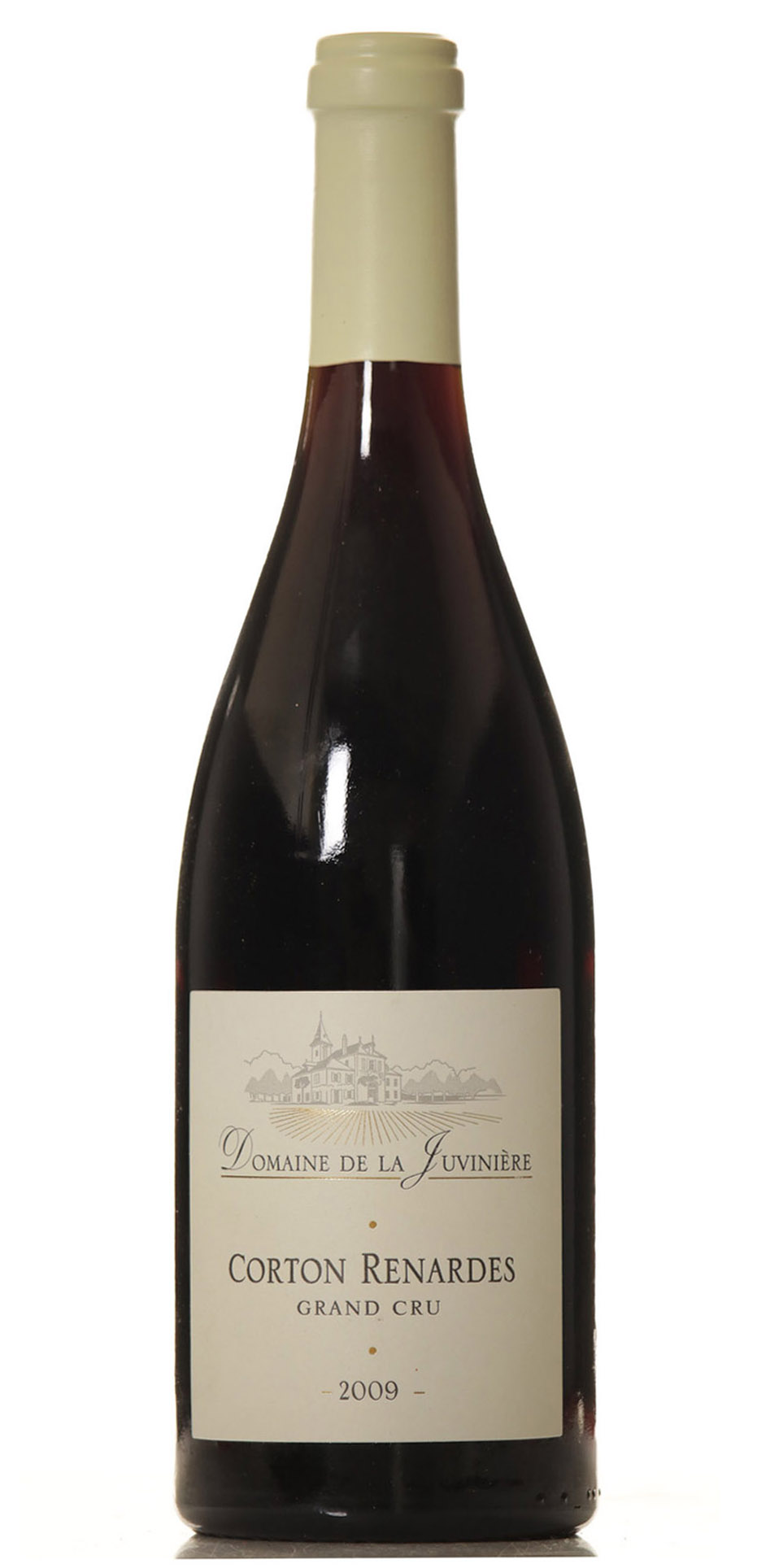
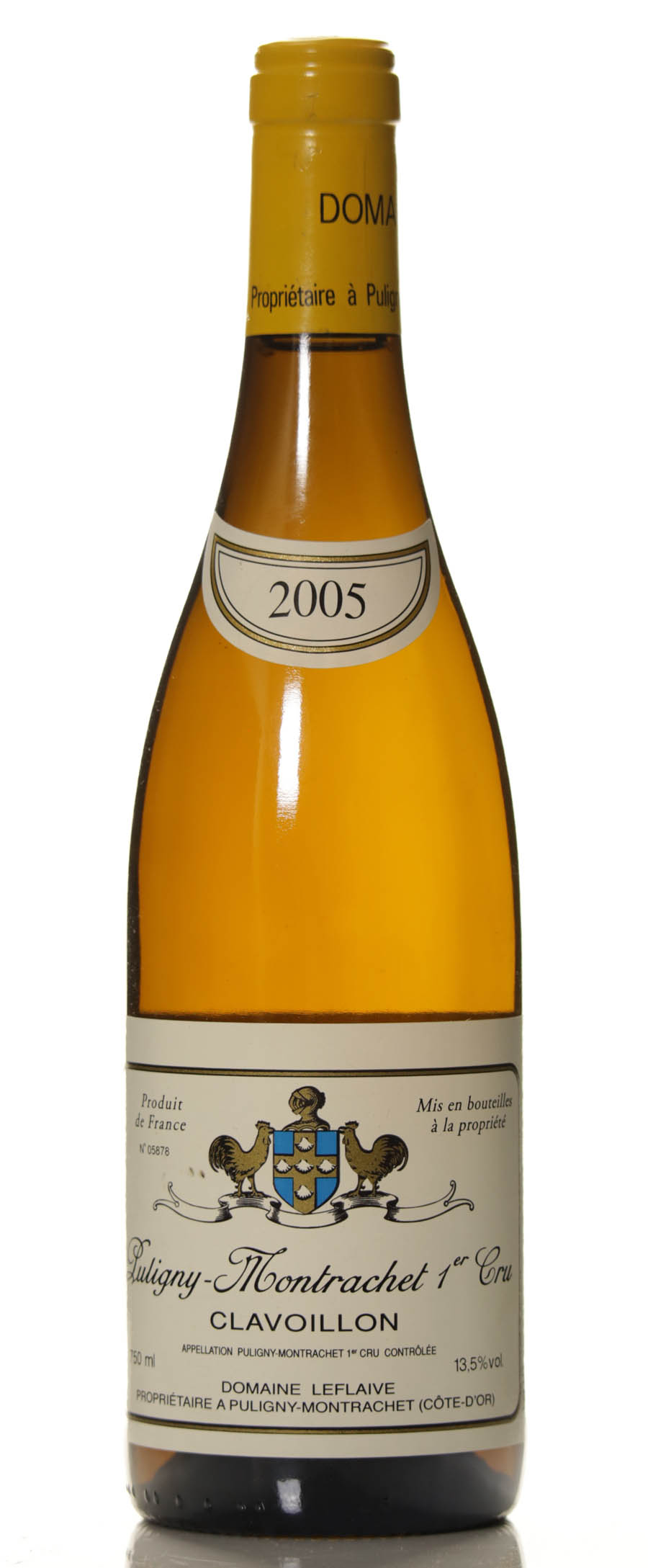
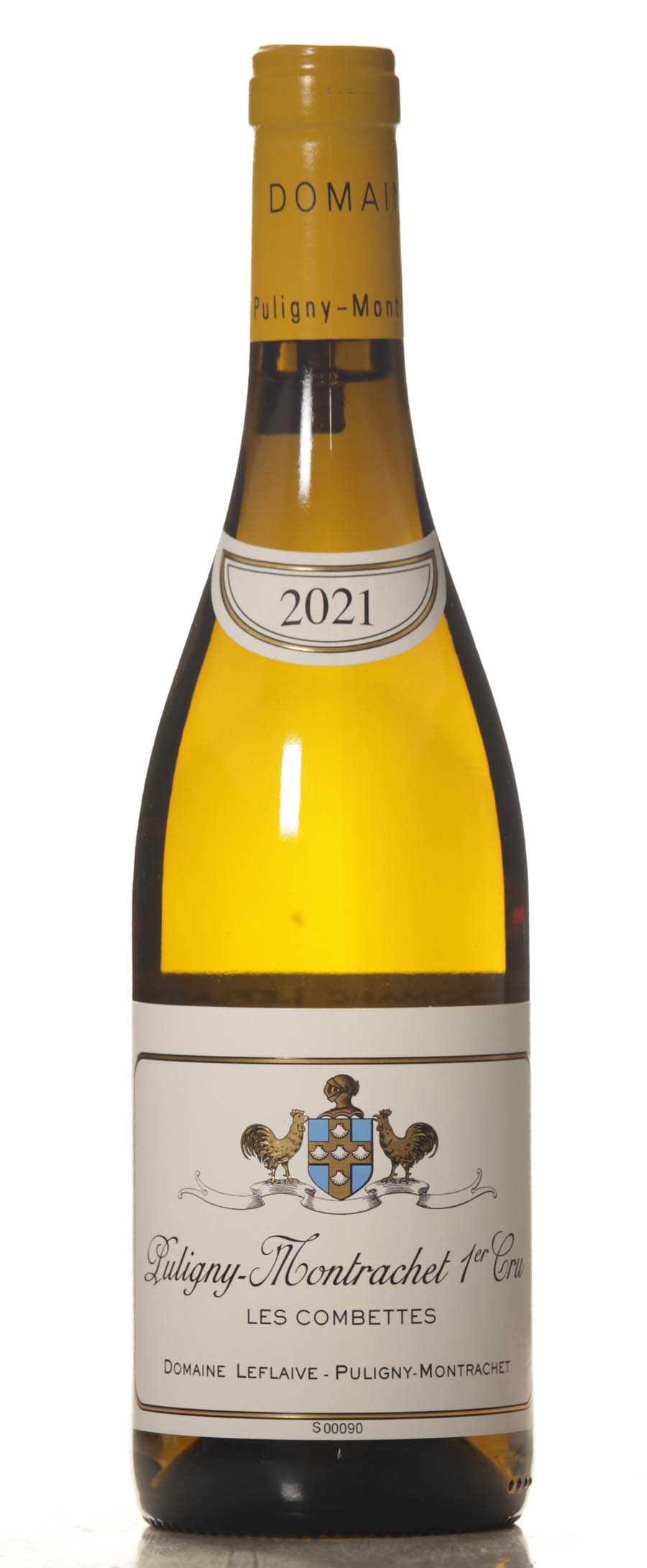
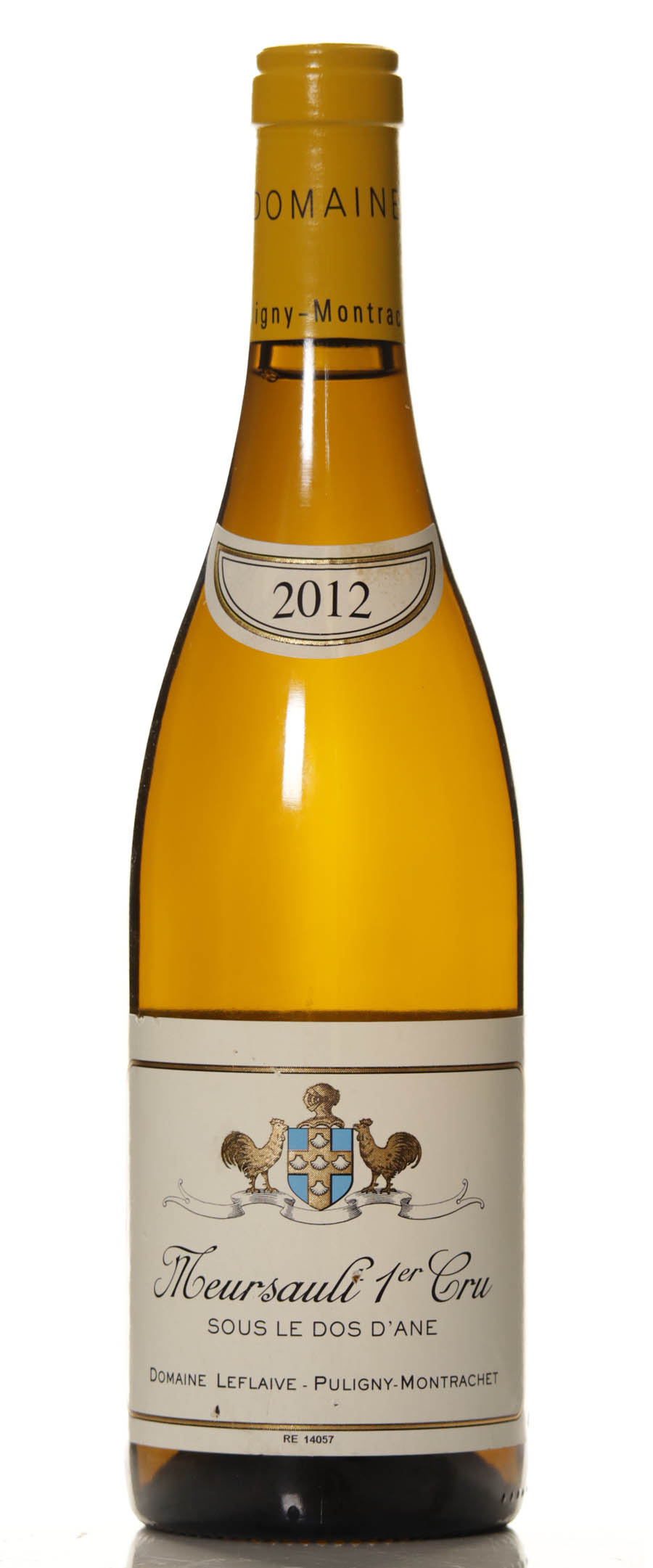
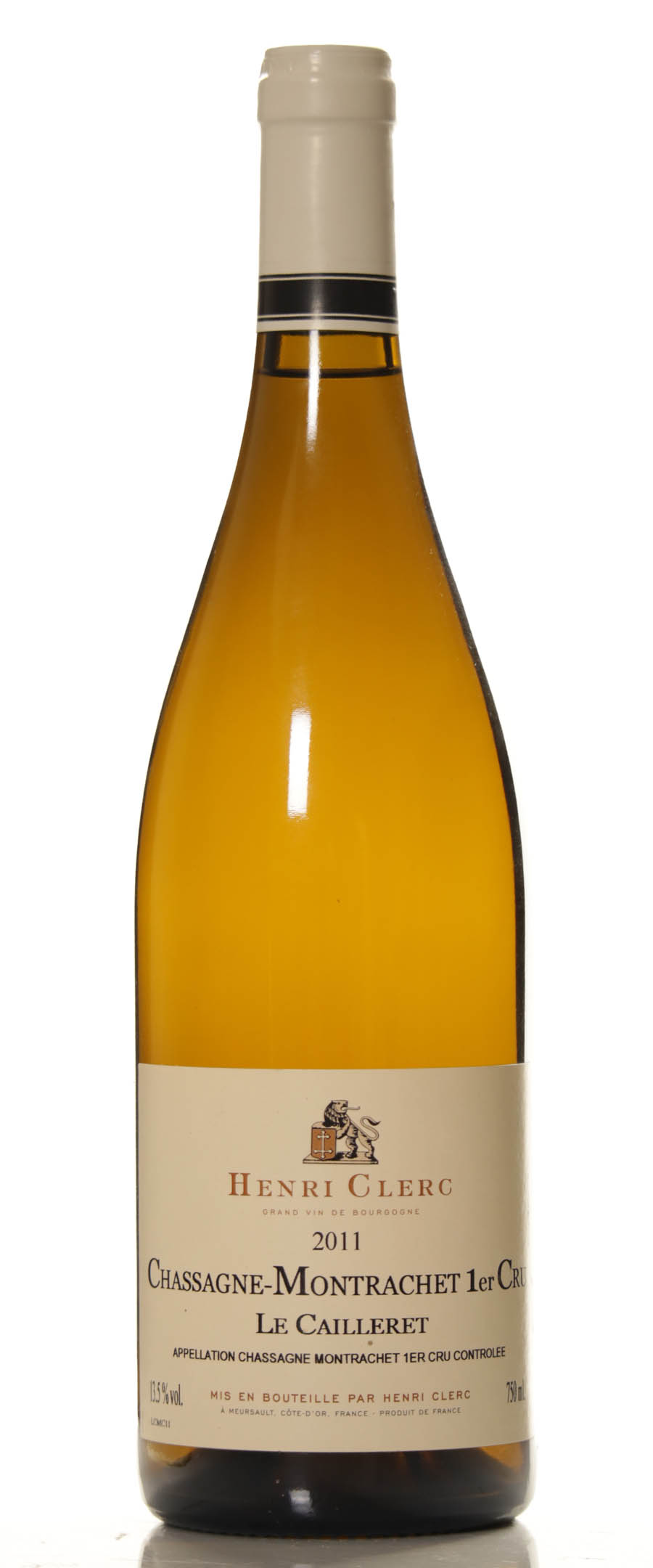
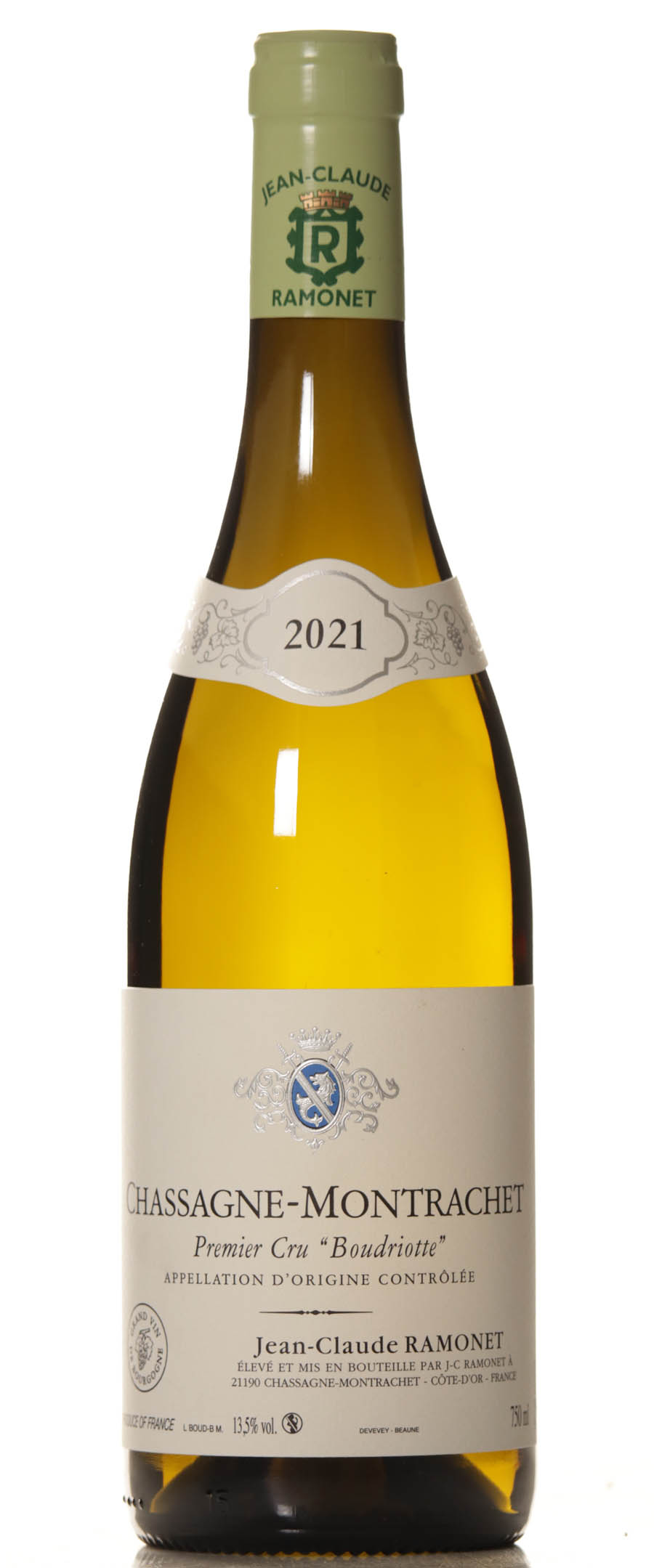
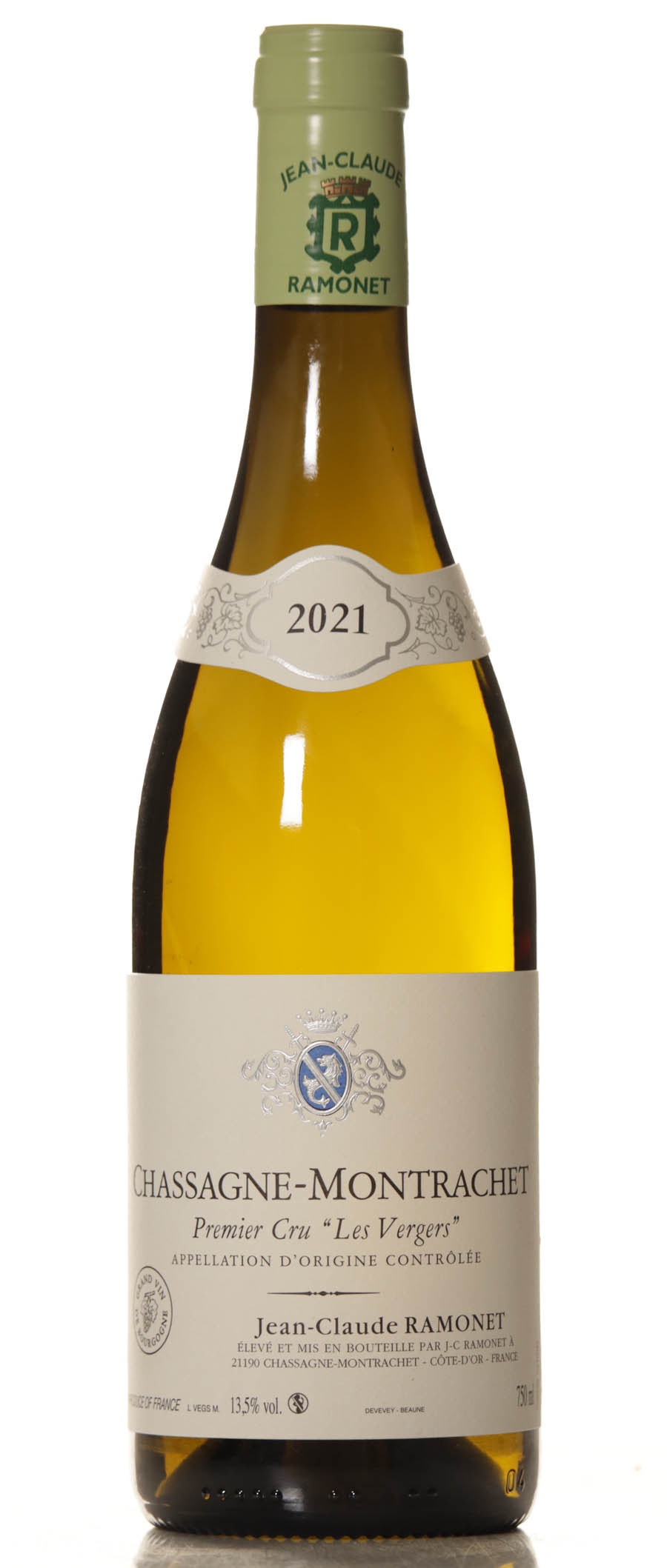
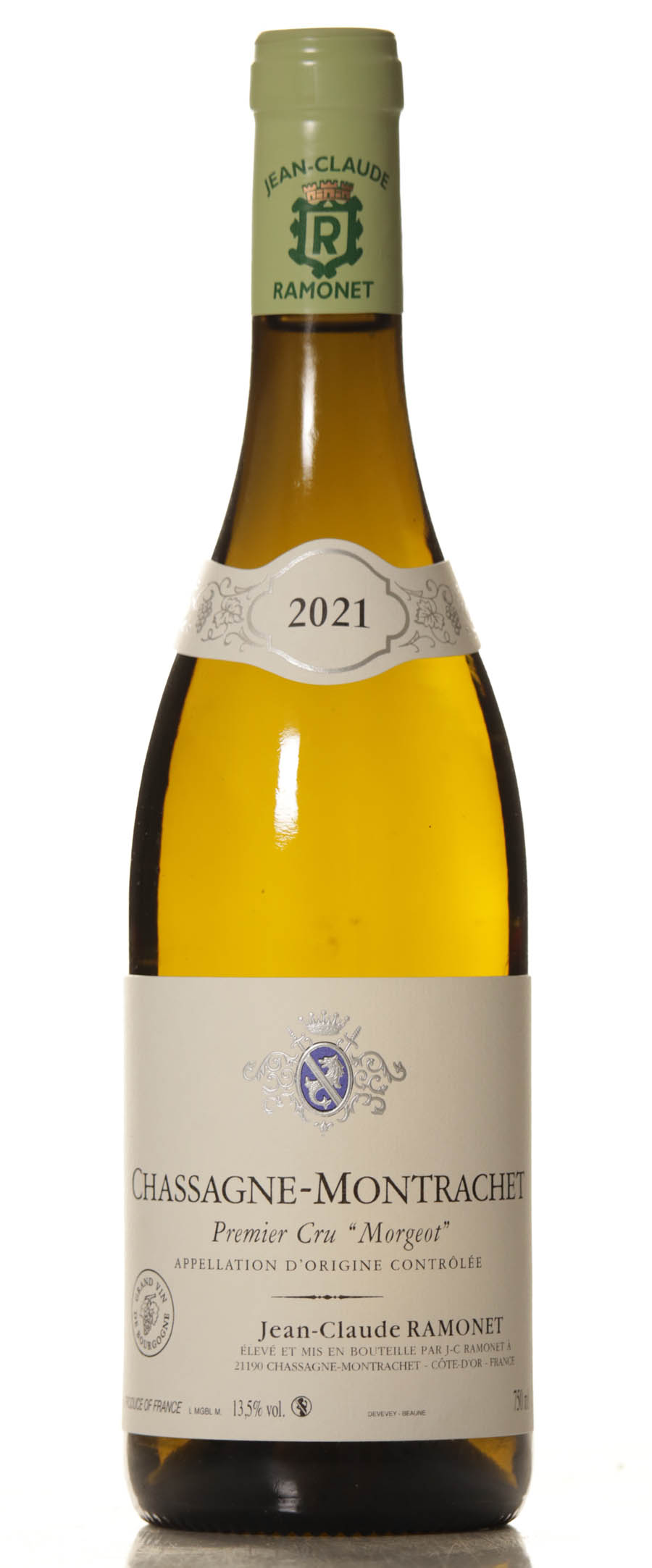
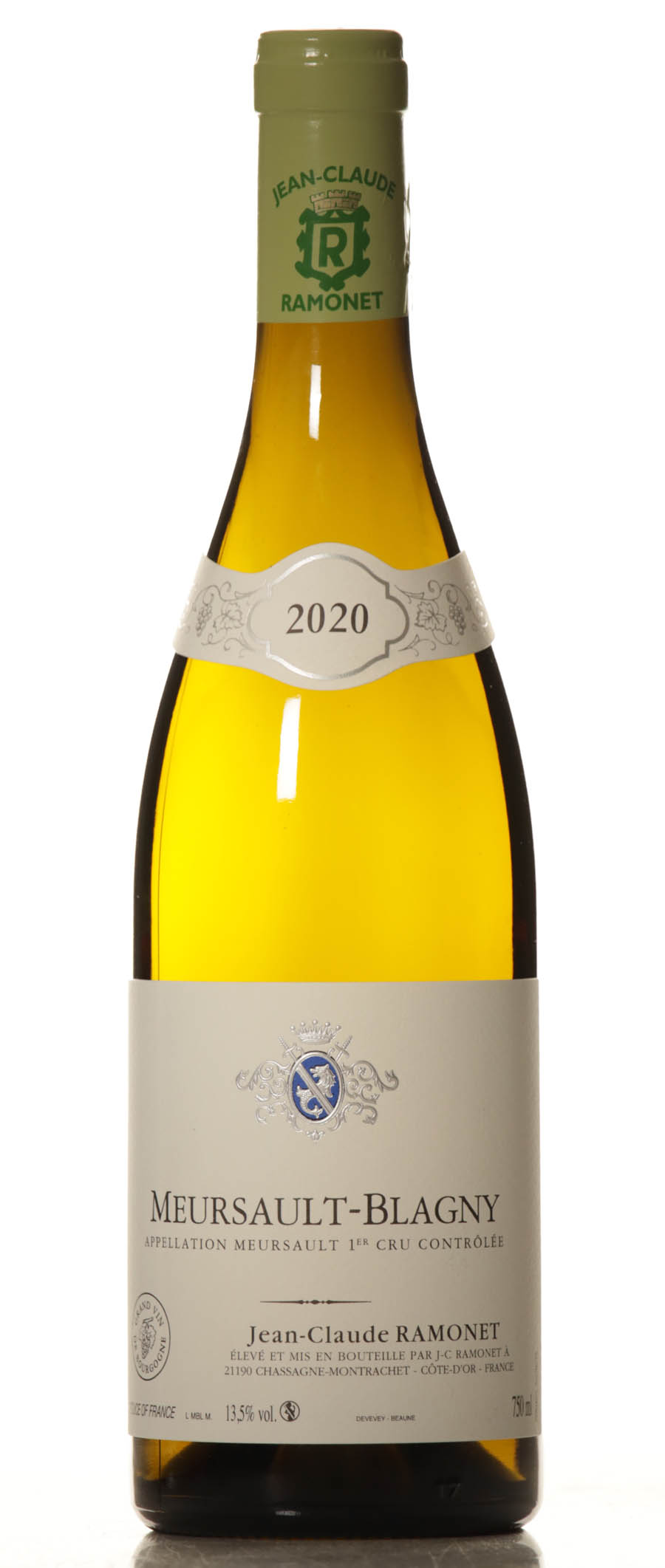
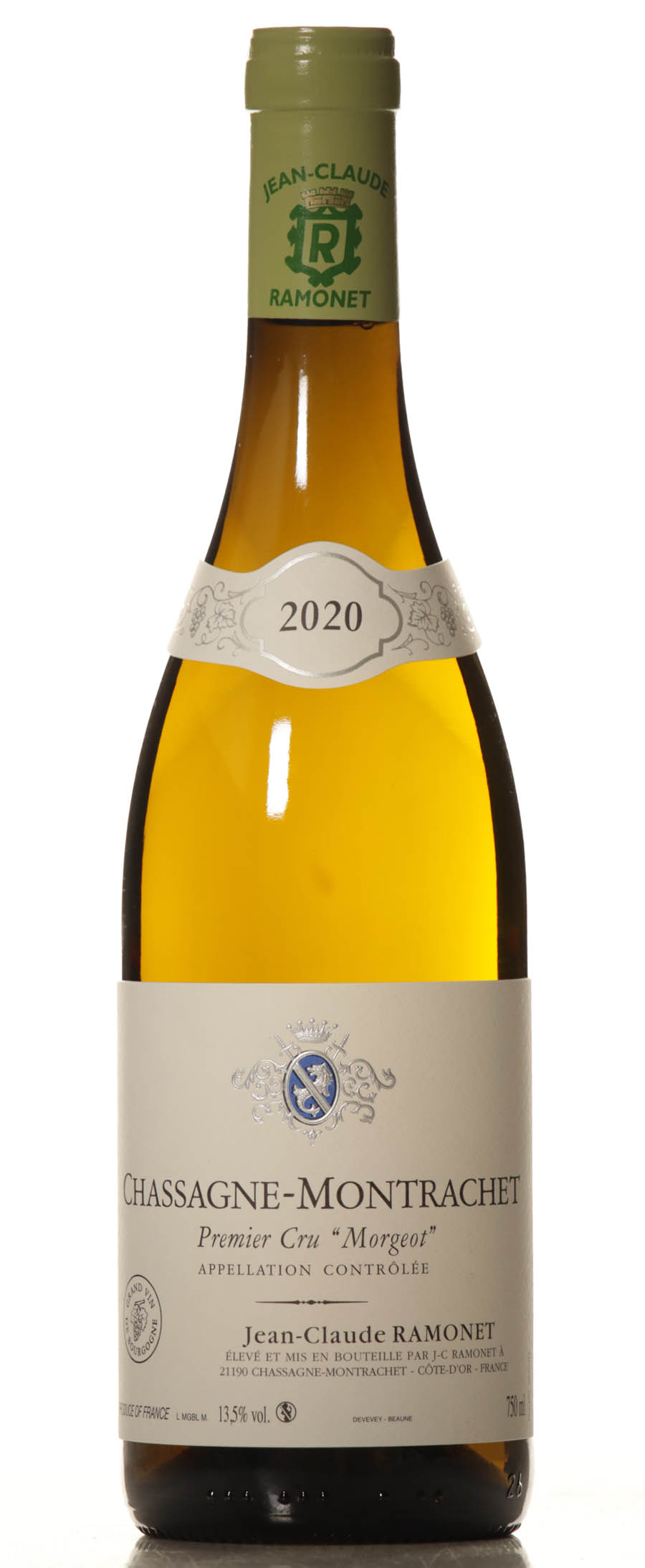
Our range includes wines from the Côte de Beaune by producers including Coche-Dury, Comtes Lafon, Ramonet, Domaine Leflaive, Domaine d'Auvenay and Roulot. If you would like to explore Burgundy further, you will also find Côte de Nuits and Chablis in our range.
Grapes and style
The Côte de Beaune is the southern part of the Burgundian Côte d’Or and is best known for its white wine. Chardonnay produces the great, rich white Burgundies here, from the exciting minerality of Puligny to the round, hazelnut style of Meursault. Pinot noir gives red wine that is, on average, slightly less austere and somewhat suppler than in the northern neighbouring area.
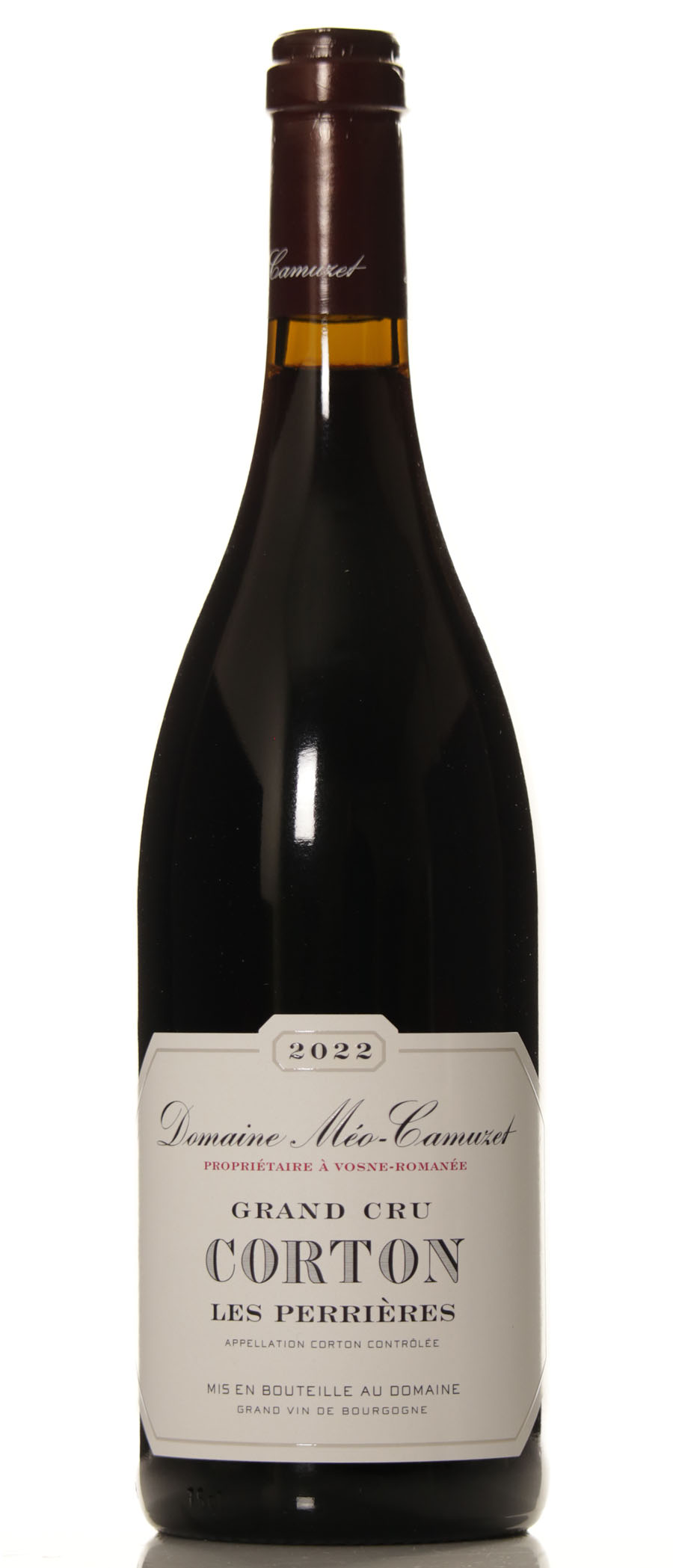
This difference is easy to taste when comparing the villages: Pommard is sturdy and dark, Volnay fine and aromatic, Corton powerful and structured.
Location and soil
The vineyards lie on an east- to south-east-facing slope that begins at the hill of Corton, close to Aloxe-Corton, and continues well beyond Santenay. The town of Beaune forms the commercial centre of the region. The best plots lie halfway up the slope, where water drains well and the sun warms the vine leaves all morning.
The soil consists of limestone and marl, with more clay on the lower parts and more stone on the higher ones. Such differences explain why two plots just a street apart can still give very different wines.
Classification and rules
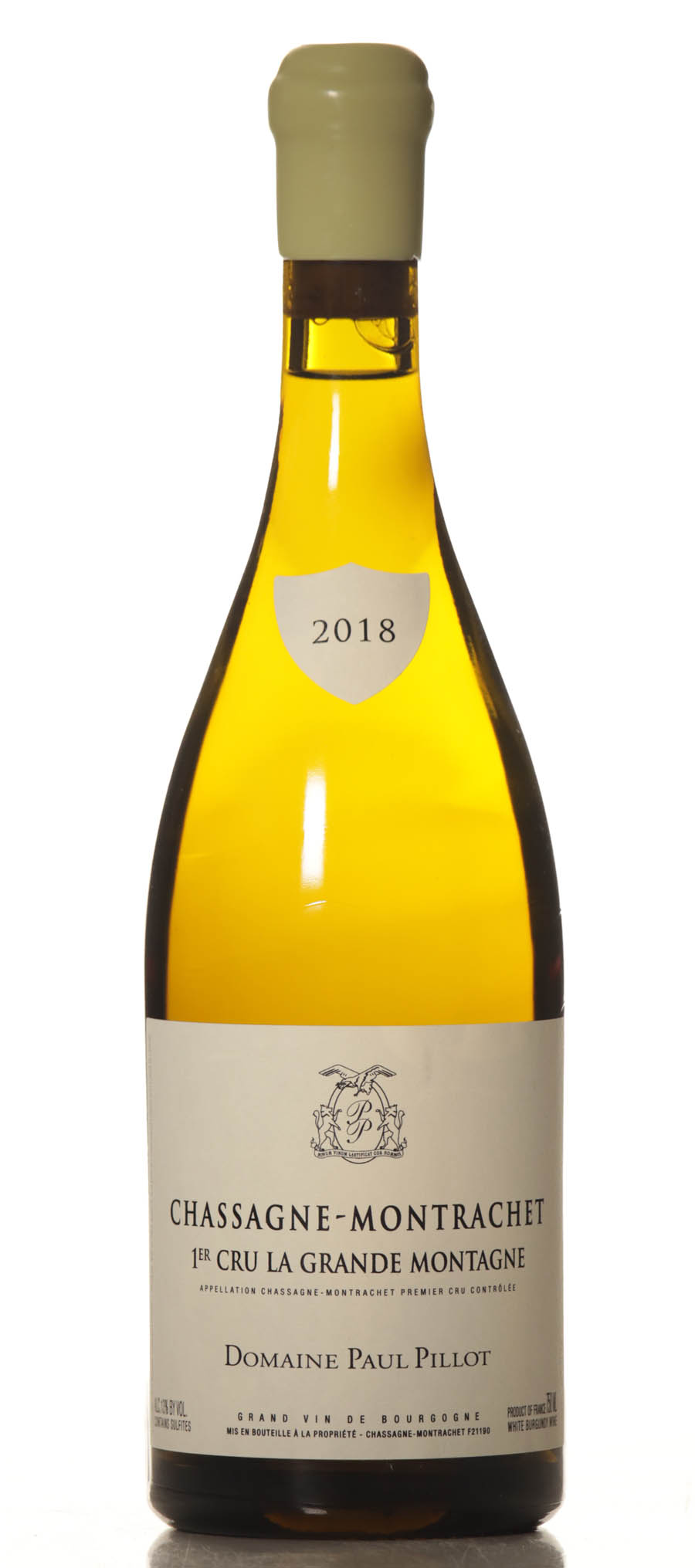
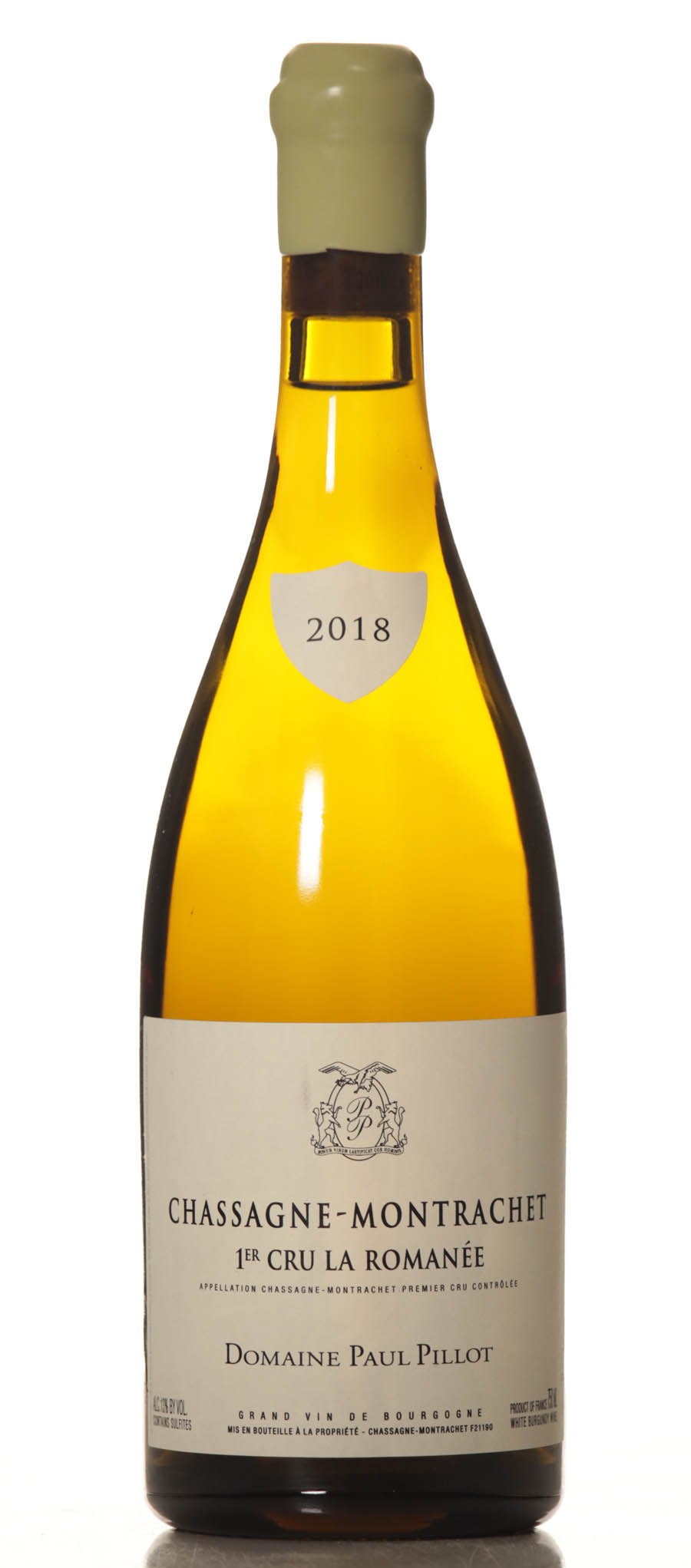
Burgundy has a pyramid of origin: the more precise the place, the higher the status. At the bottom are regional appellations, above them the village appellations such as Meursault or Pommard. Then come the Premiers Crus, named vineyards within a village, and at the top the Grands Crus, which have an appellation of their own.
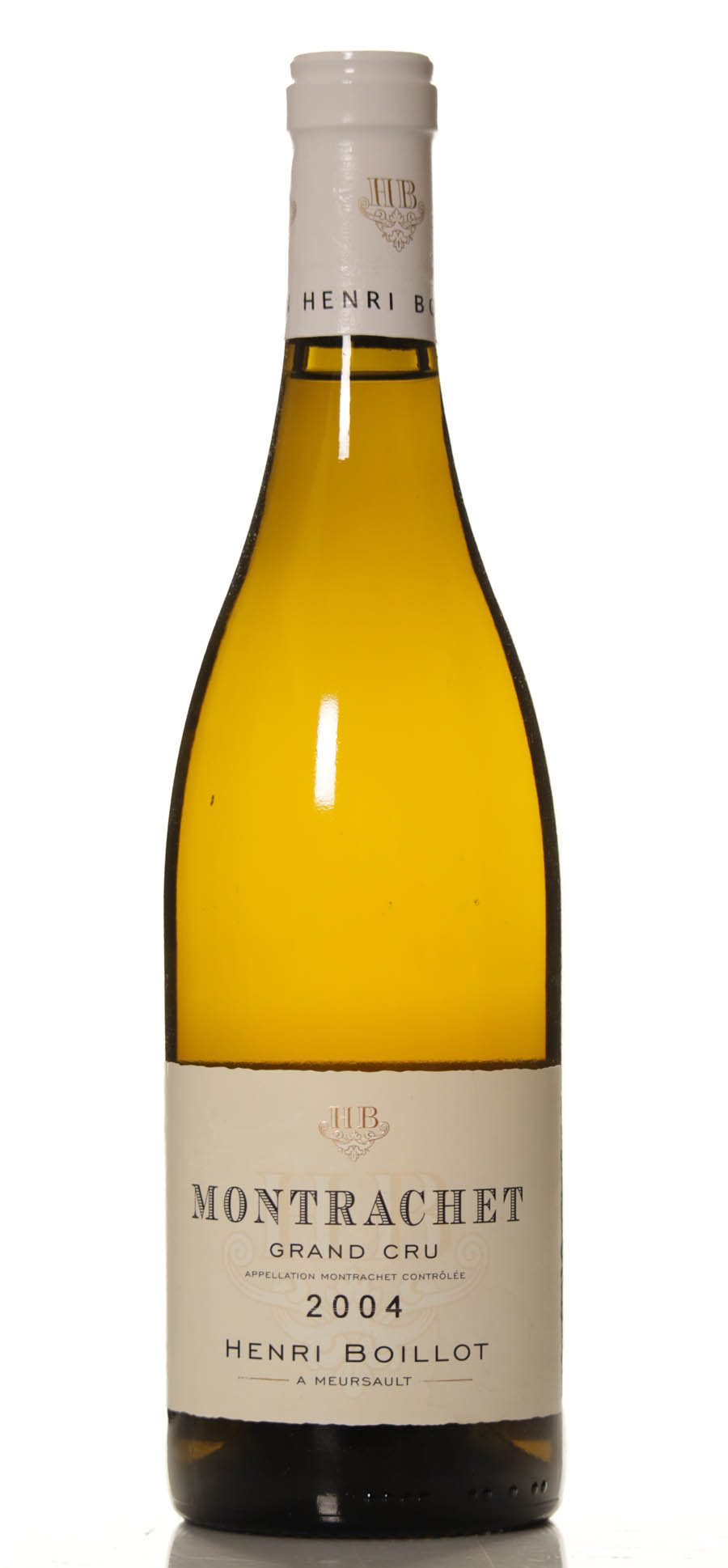
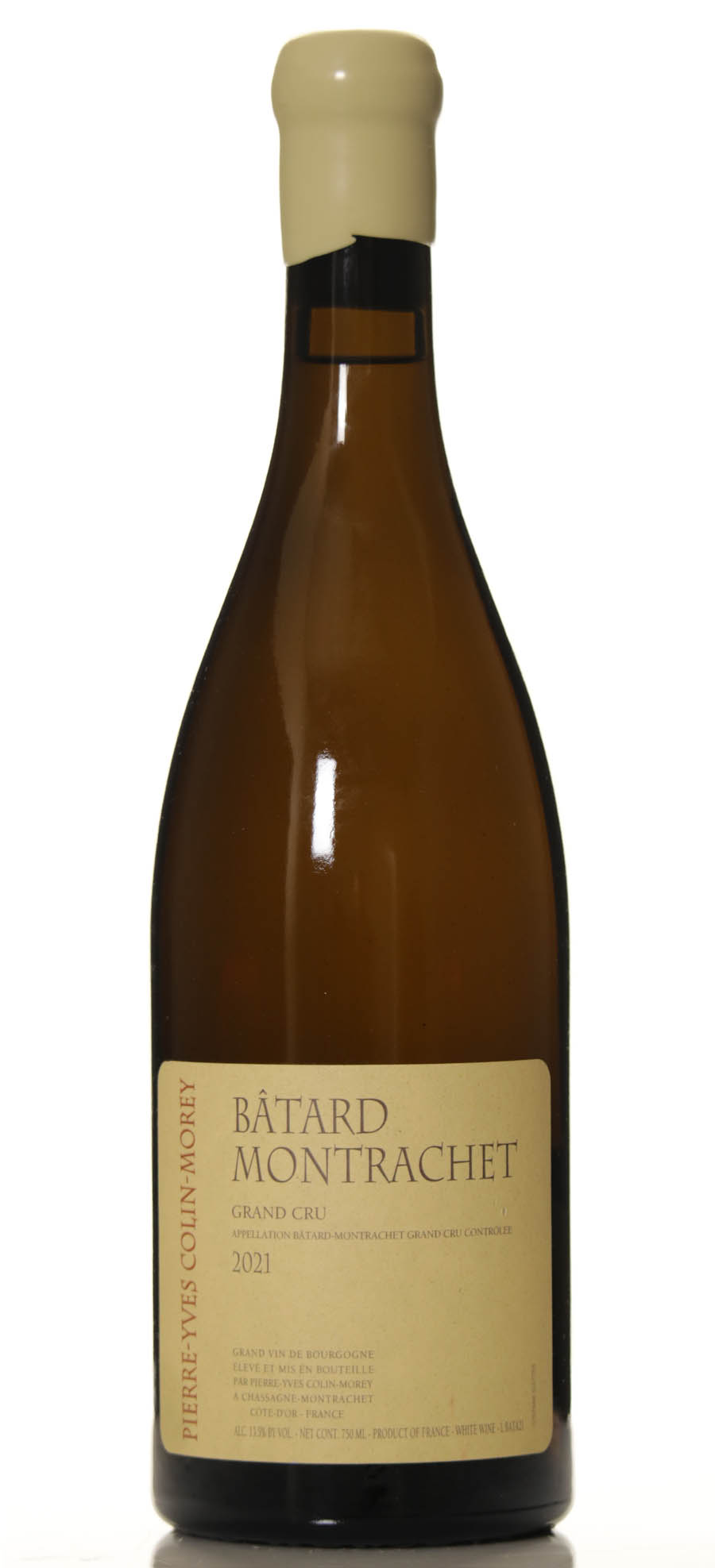
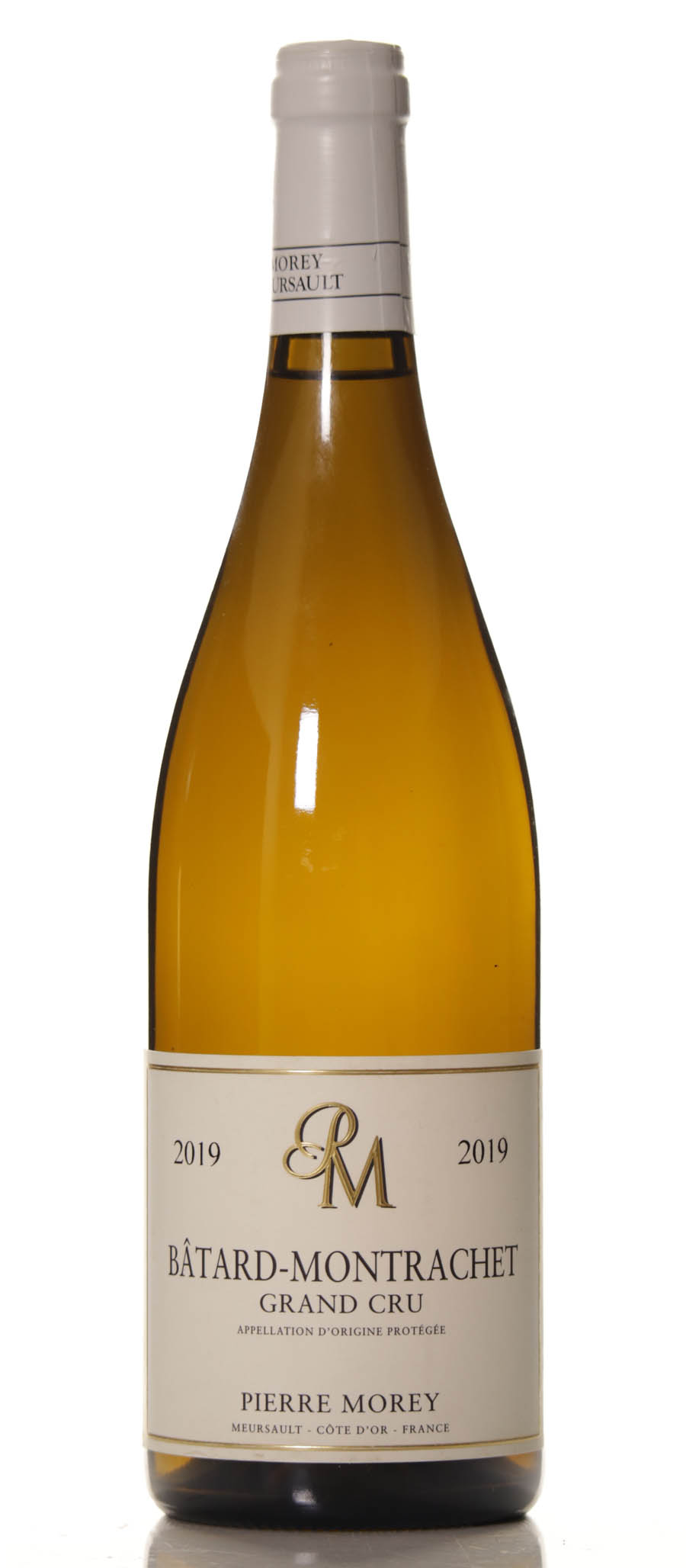
The Grands Crus of the Côte de Beaune are scarce: Corton for red and white, Corton-Charlemagne for white, and the white circle around Montrachet. See also Meursault and Pommard for the characteristics of each village.
Ageing and serving
White from the Côte de Beaune is already appealing when young, but the better wines gain depth and can age for many years. Red wines from Pommard or Corton generally need more time than those from Volnay or Santenay. A few Burgundies develop nutty and honeyed notes after long ageing.
Serve white at around 11 to 13 °C and red at around 15 to 17 °C, and do not pour too cold: too much chill hides the aroma. White pairs well with poultry, lobster and cream sauces, red with roast meat, poultry and ripe cheeses.
Producers in our range
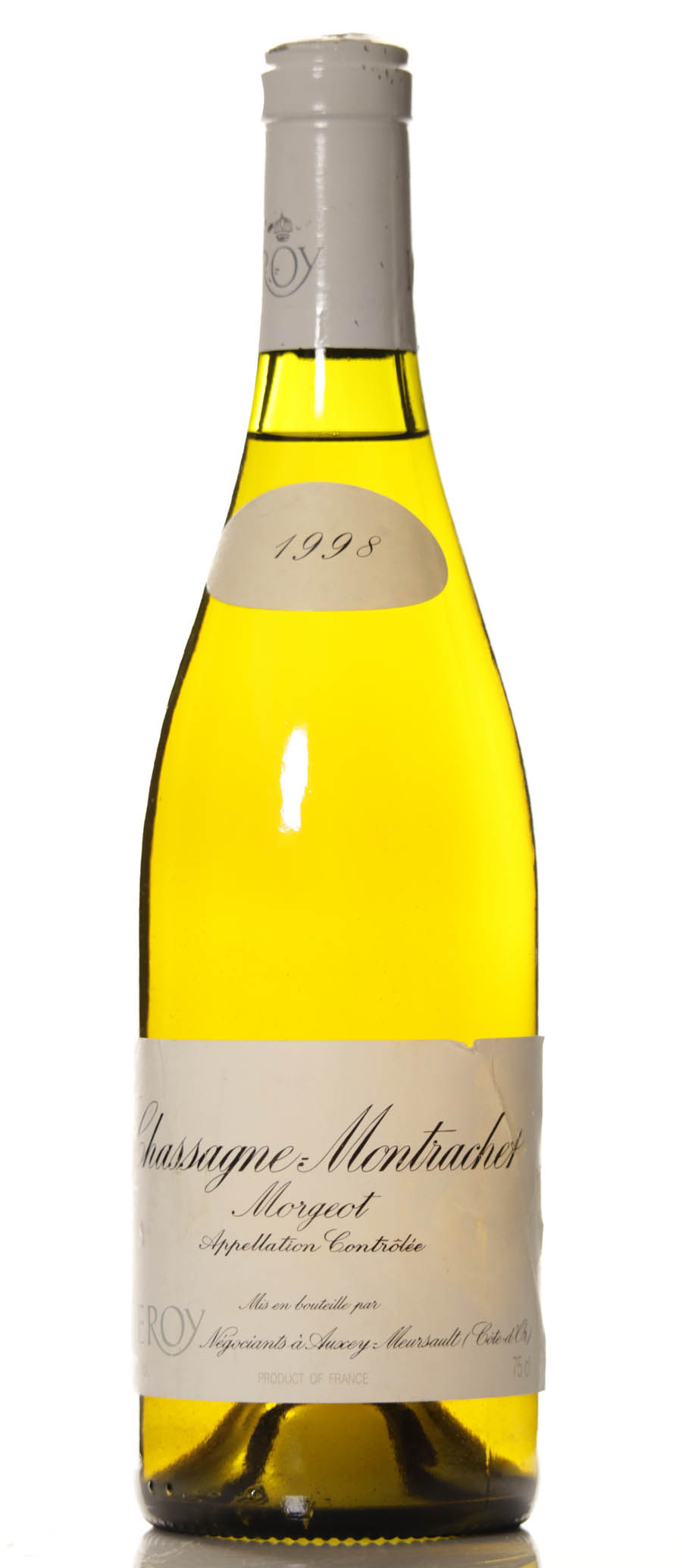
These producers feature in our Côte de Beaune range: Domaine de la Romanée-Conti, Coche-Dury, Comtes Lafon, Ramonet, Domaine Leflaive, Olivier Leflaive, Domaine d'Auvenay, Roulot, Leroy, Bonneau du Martray, Marquis d'Angerville, Michel Lafarge, Comte Armand, Domaine de Courcel, Bernard Moreau, Fontaine-Gagnard, Paul Pernot, Buisson-Battault, Colin-Deléger, Rémi Jobard, Jean Chartron, Baron Thénard, Joseph Drouhin, Bouchard Père & Fils, Bruno Clair, Vincent Girardin, Lucien Le Moine and Camille Giroud.
Vineyards on the label
Names on the labels in our range include Montrachet, Chevalier-Montrachet, Criots-Bâtard-Montrachet, Corton-Charlemagne and Corton, Meursault Perrières, Genevrières and Charmes, Les Folatières, Morgeot, Volnay Clos des Ducs and Pommard Clos des Épeneaux.
More from Burgundy
You will find more wines from Burgundy under Côte de Nuits and Chablis.