Country
Region
Sub-region
Producer
Wine type
Volume
Rating
Vintage
Packaging
Price
Contact
Ask a question
Morey-Saint-Denis
Morey-Saint-Denis lies between Gevrey-Chambertin and Chambolle-Musigny. The small village counts five grands crus, among them Clos de la Roche and Clos de Tart.
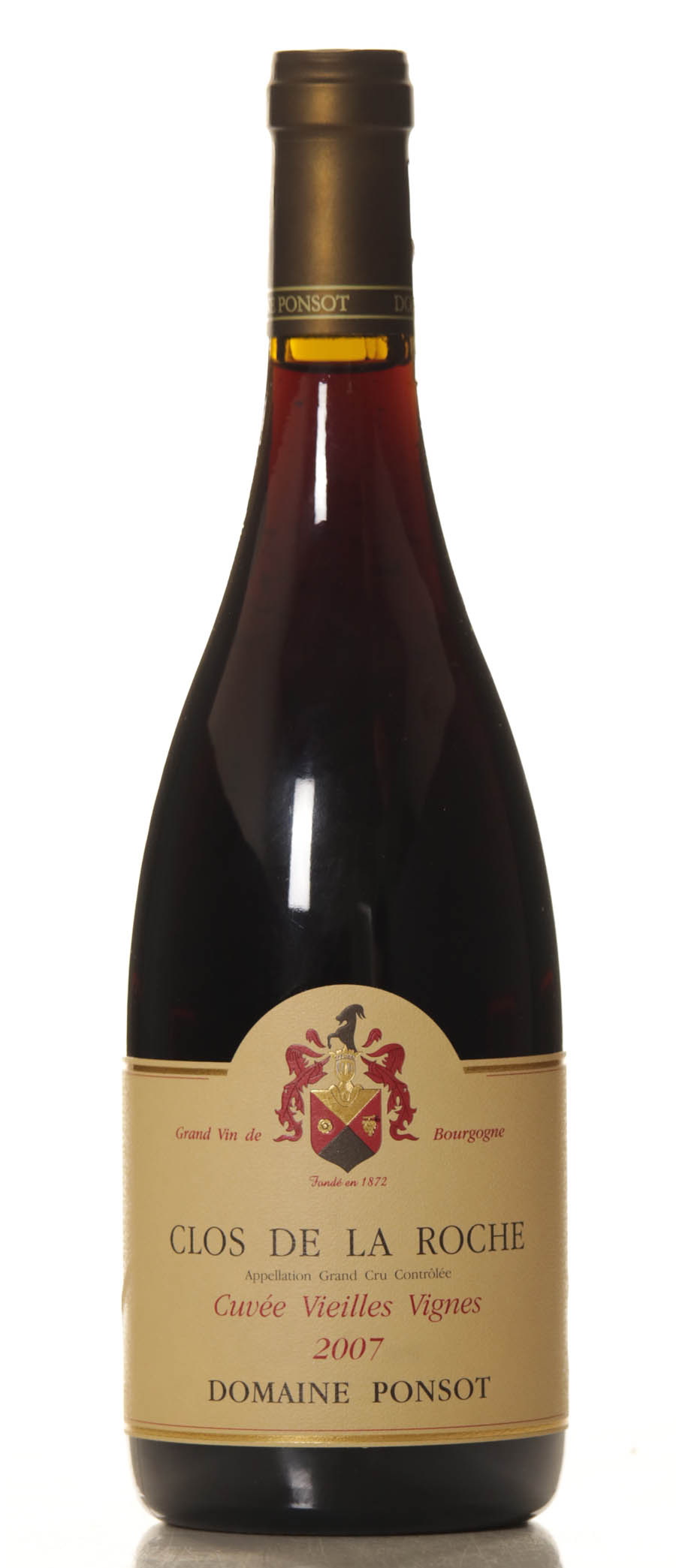
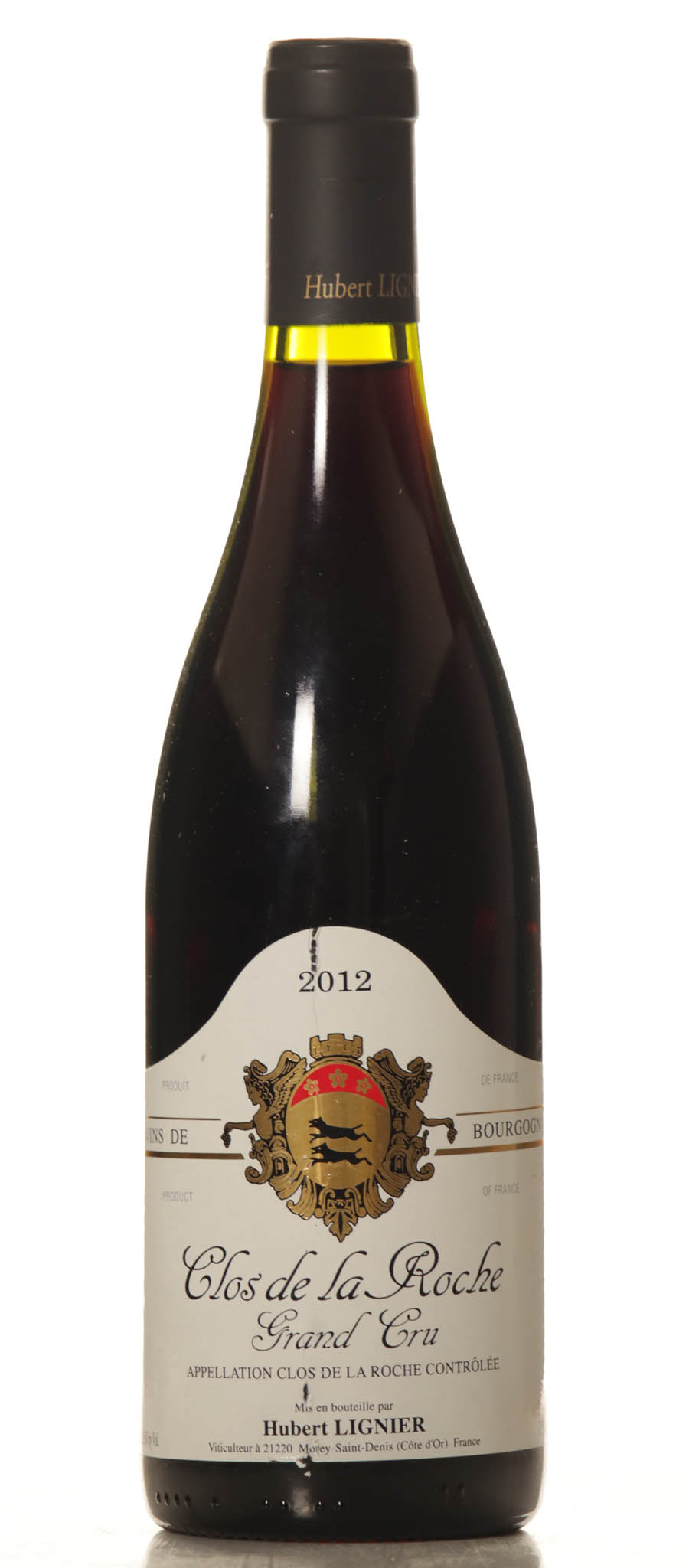
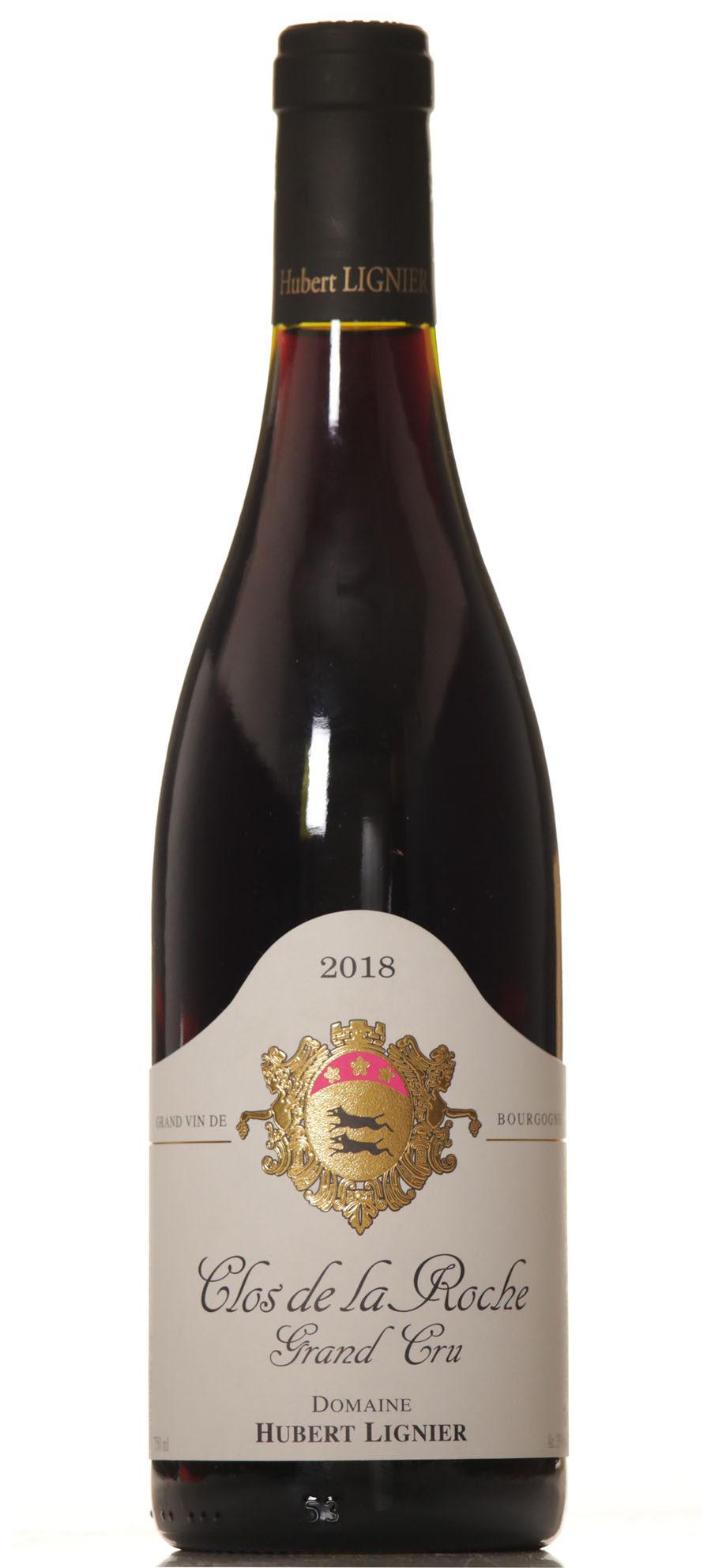
Our range includes wines from Morey-Saint-Denis by producers including Armand Rousseau, Domaine Dujac, Domaine Ponsot, Clos de Tart, Domaine des Lambrays and Hubert Lignier. If you would like to explore the Côte de Nuits further, you will also find Vosne-Romanée, Nuits-Saint-Georges and Chambolle-Musigny in our range.
Grapes and style
Morey-Saint-Denis is almost entirely devoted to red pinot noir. Those who taste the wines notice that they sit between two neighbours: they have something of the firmness and dark fruitiness of Gevrey to the north and something of the refinement and floral quality of Chambolle to the south. Expect cherries, blackberries, spices and an earthy undertone, with good structure and balanced acidity.
White wine from chardonnay is made here only in small quantities and is an exception, not a hallmark of the village.
Location and soil
The village lies between Gevrey-Chambertin and Chambolle-Musigny, on the eastern slope of the Côte de Nuits. The vineyards lie on the flank and at the foot of the hill, where a limestone subsoil with marl, clay and stony debris ensures a good balance between power and elegance.
The area is small, which makes the wines of this appellation less well known than those of its larger neighbours. That is precisely why the village attracts connoisseurs in search of character without the best-known label.
Classification and rules
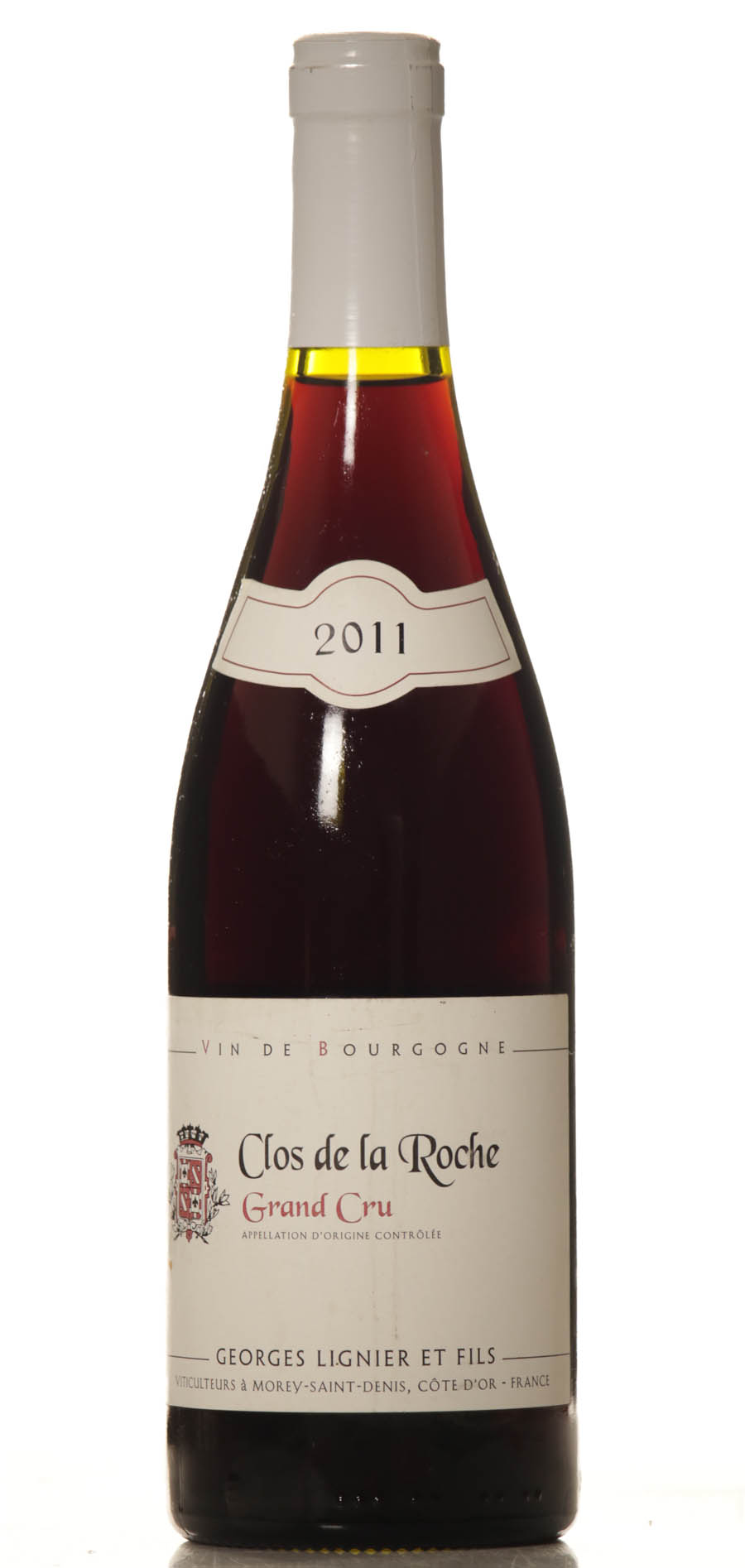
Morey-Saint-Denis has a remarkably high number of Grand Crus for a small village. These include Clos de Tart, Clos des Lambrays and Clos Saint-Denis, and in addition Clos de la Roche. Part of Bonnes-Mares also falls within the village boundaries.
Below these lie the Premier Cru vineyards and the village appellation Morey-Saint-Denis, which often offers a good introduction to the village’s style. For the Grand Crus, the name ‘Clos’ refers to a walled plot of vineyard.
Ageing and serving
Village wines are generally in their stride after a few years, while Premier Cru and Grand Cru gain considerable depth with patience. The wine then develops a soft structure with aromas of truffle, undergrowth, dried flowers and ripe fruit.
Serve at around 15 to 17 °C. Young bottles can go into the decanter briefly; pour old bottles carefully. The wine goes well with wild fowl, duck, rabbit, mushroom dishes and mild, creamy cheeses.
Producers in our range
These producers feature in our Morey-Saint-Denis range: Armand Rousseau, Domaine Dujac, Domaine Ponsot, Mommessin (Clos de Tart), Domaine des Lambrays, Hubert Lignier, Georges Lignier, Domaine Arlaud, Faiveley, Benjamin Leroux, Camille Giroud, Louis Jadot and Pierre Amiot.
Vineyards on the label
The labels in our range name Clos de la Roche, Clos Saint-Denis, Clos de Tart and Clos des Lambrays, and from Clos de Tart also La Forge de Tart.
More from the Côte de Nuits
You will find more wines from the Côte de Nuits under Vosne-Romanée, Nuits-Saint-Georges, Chambolle-Musigny, Marsannay, Clos de la Roche, Clos Vougeot and Gevrey-Chambertin.