filter

Country

Region

Sub-region

Producer

Wine type

Volume

Rating

Vintage

Packaging

Price

Contact

Do you have questions or need advice? Get in touch with us directly:

Ask a question

Meursault

Meursault is the largest white wine village of the Côte de Beaune. Meursault has no grand cru, but a series of premiers crus such as Perrières, Genevrières and Charmes.

Our range includes wines from Meursault by producers including Coche-Dury, Comtes Lafon, Roulot, Arnaud Ente, Leroy and Buisson-Battault. If you would like to explore the Côte de Beaune further, you will also find Puligny-Montrachet, Corton and Corton-Charlemagne in our range.

Read more

Grape and style

Meursault is almost exclusively the domain of chardonnay. The wines are known for their roundness and full, rich texture, with aromas of hazelnut, butter, honey and yellow fruit. They are broader and softer than the tauter wines of Puligny, and are usually matured in oak barrels.

There are differences within the village, though. One vineyard gives a more mineral, muscular style, another a more opulent one. Only a little red wine is made.

Location and soil

Meursault lies roughly in the middle of the Côte de Beaune, between Volnay and Puligny-Montrachet. The village is large and the vineyards run from the low, clay-rich parts near the village to the steeper, stonier slopes. This results in considerable variation in style.

The vineyards higher on the slope, towards Puligny, have more chalk and usually give a sharper, more mineral wine. In the lower parts the soil is heavier and the wines turn out richer and fleshier.

Classification and rules

Remarkably, Meursault has no Grand Cru. It does, however, have a series of highly regarded Premiers Crus, of which Les Perrières, Les Genevrières and Les Charmes are the best known. Les Perrières is regarded as the most austere and mineral, Les Charmes as the richer, with more roundness.

Village wines can gain extra character thanks to the name of a separate vineyard, a lieu-dit. For a comparison with its neighbour, see Puligny-Montrachet.

Ageing and serving

Meursault is often good to drink young, but the better bottles deserve years of cellaring. The wine then develops more complex notes of nuts, honey and toast, and the acidity keeps the richness in balance.

Serve Meursault at around 11 to 13 °C. It pairs excellently with pan-fried Dover sole, lobster, chicken in cream sauce and ripe cheeses. A decanter is rarely necessary; a generous glass will do.

Producers in our range

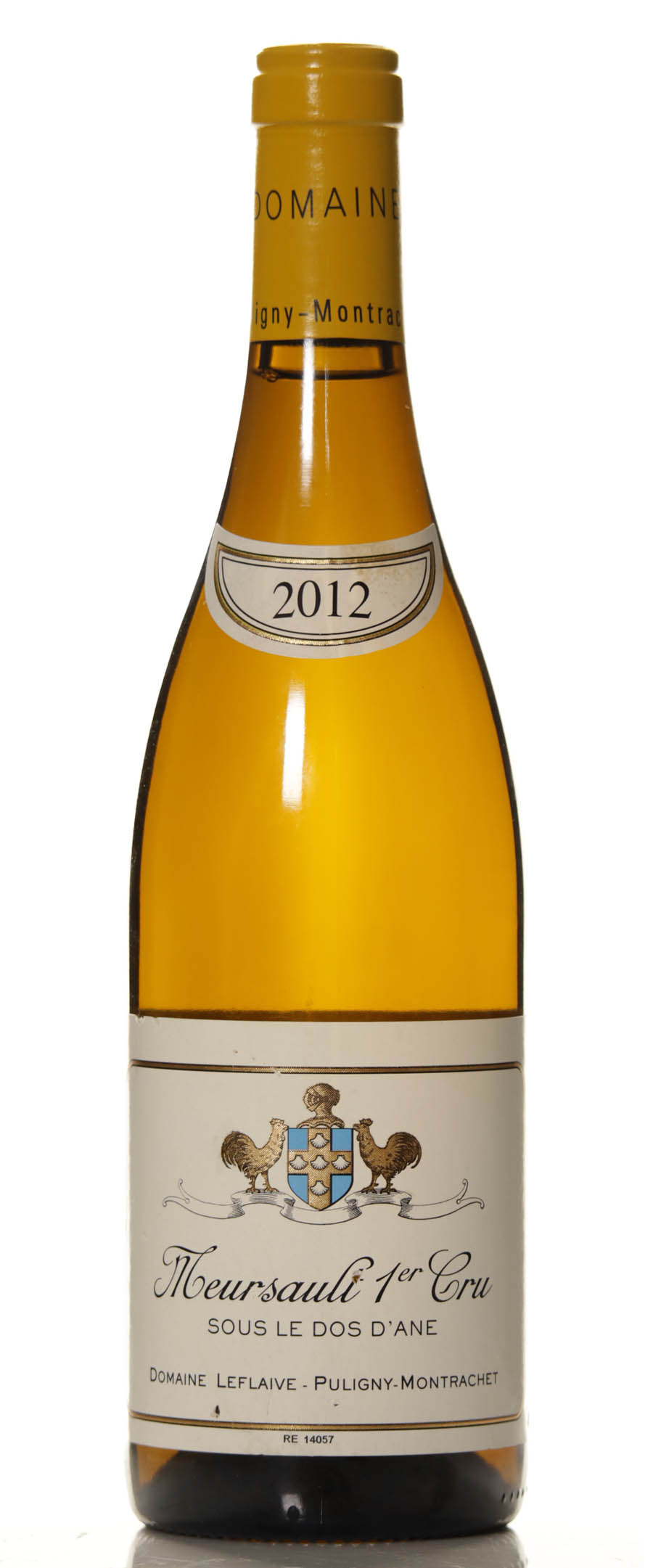
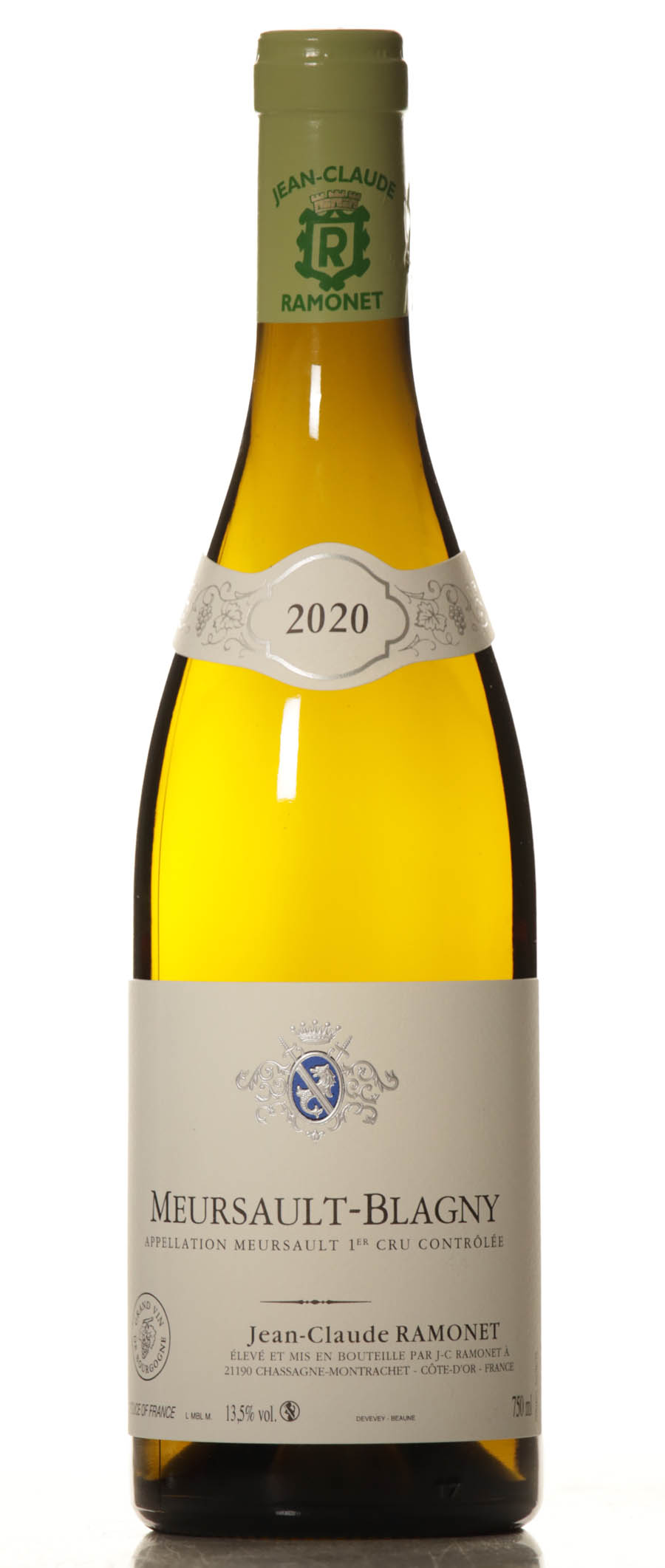
These producers feature in our Meursault range: Coche-Dury, Comtes Lafon, Roulot, Arnaud Ente, Leroy, Buisson-Battault, Jobard-Morey, Rémi Jobard, Domaine Leflaive, JC Ramonet, Michelot, Lucien Le Moine and Patriarche.

Vineyards on the label

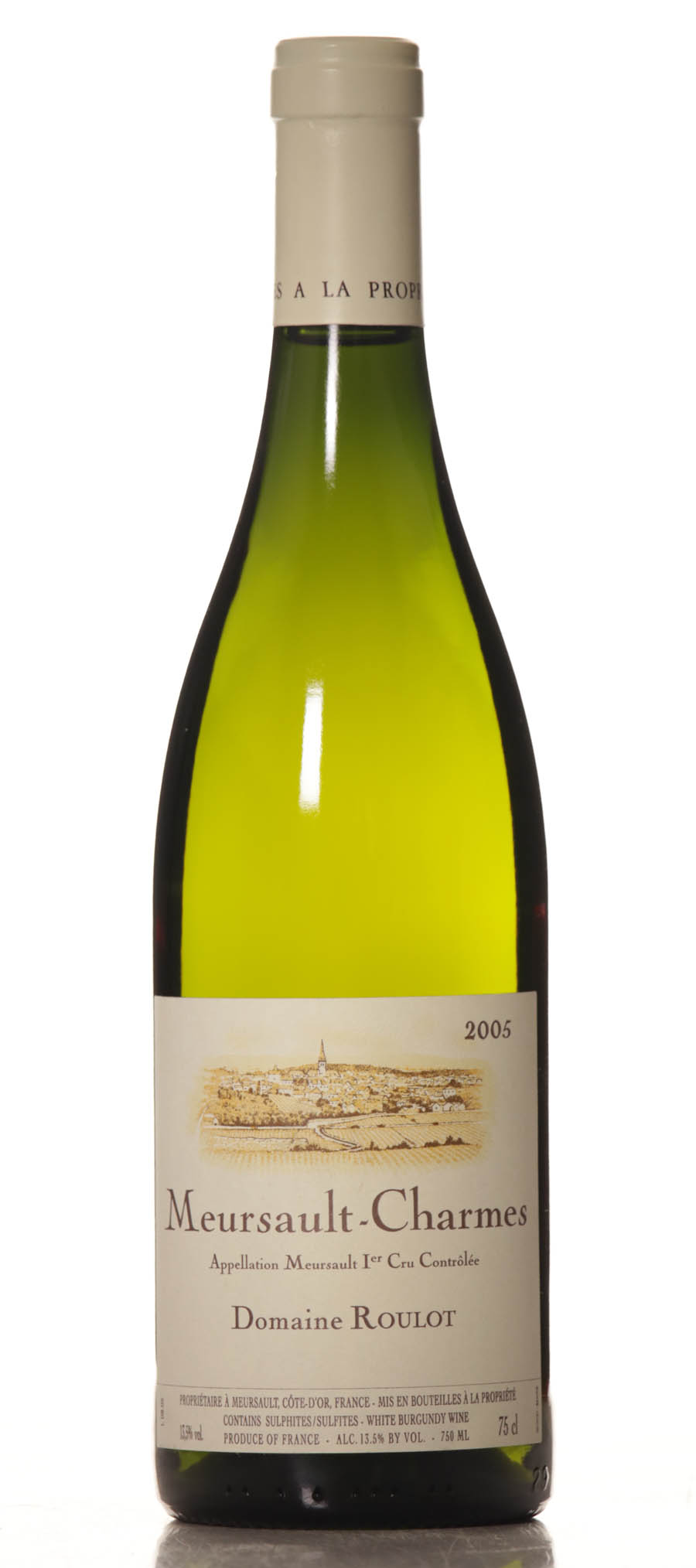
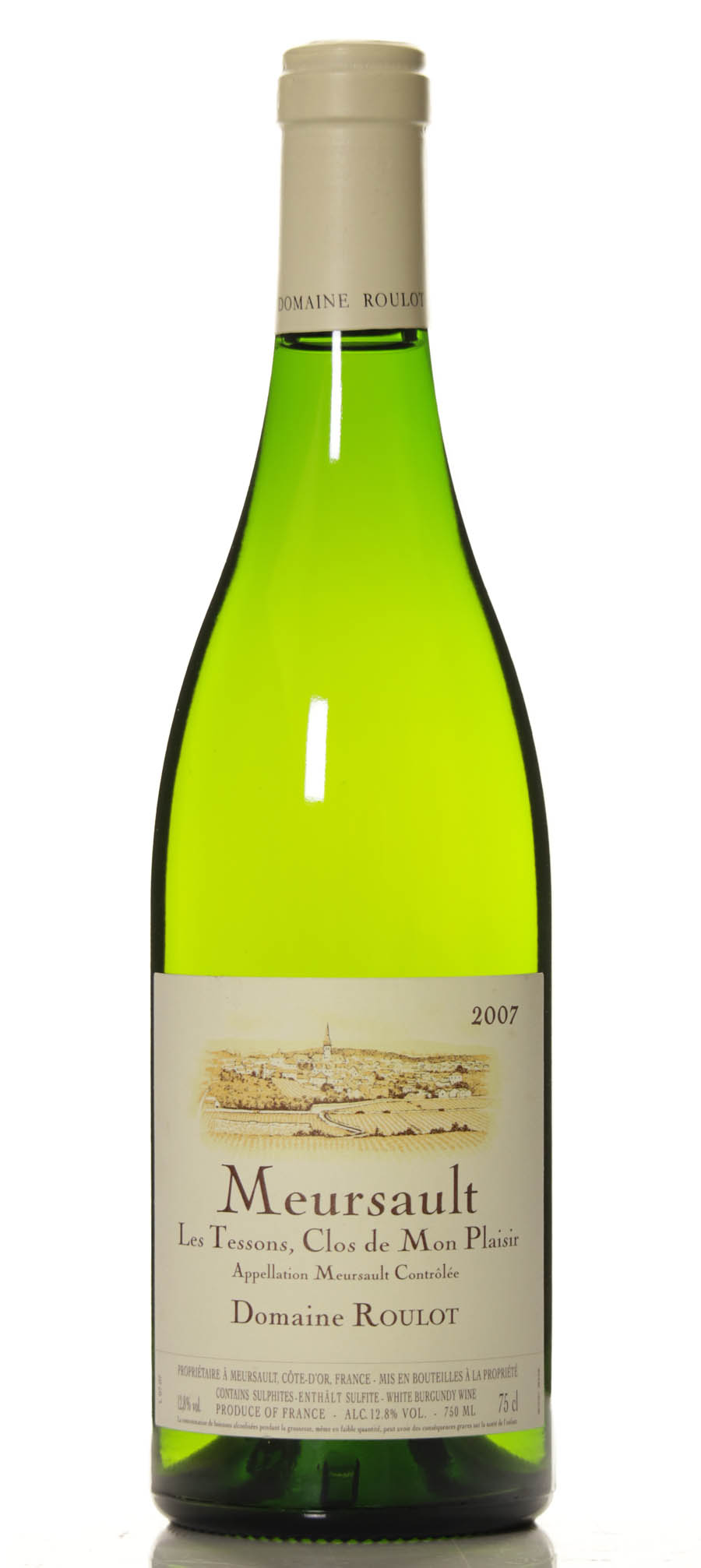
Names on the labels in our range include Perrières, Genevrières, Charmes, Goutte d'Or, Caillerets, Clos de la Barre, Les Narvaux, Les Tessons Clos de Mon Plaisir and Clos des Ambres.

More from the Côte de Beaune

You will find more wines from the Côte de Beaune under Puligny-Montrachet, Corton, Corton-Charlemagne, Santenay, Chassagne-Montrachet, Hautes Côtes de Beaune, Montrachet and Pommard.

News from Vineut

Sign up for the newsletter and stay up-to-date!