Country
Region
Sub-region
Producer
Wine type
Volume
Rating
Vintage
Packaging
Price
Contact
Ask a question
Châteauneuf-du-Pape
Châteauneuf-du-Pape lies in the southern Rhône, between Orange and Avignon. The vineyards are strewn with galets roulés, rounded stones that absorb the heat by day and release it at night. The appellation permits thirteen grape varieties, with grenache the principal one.
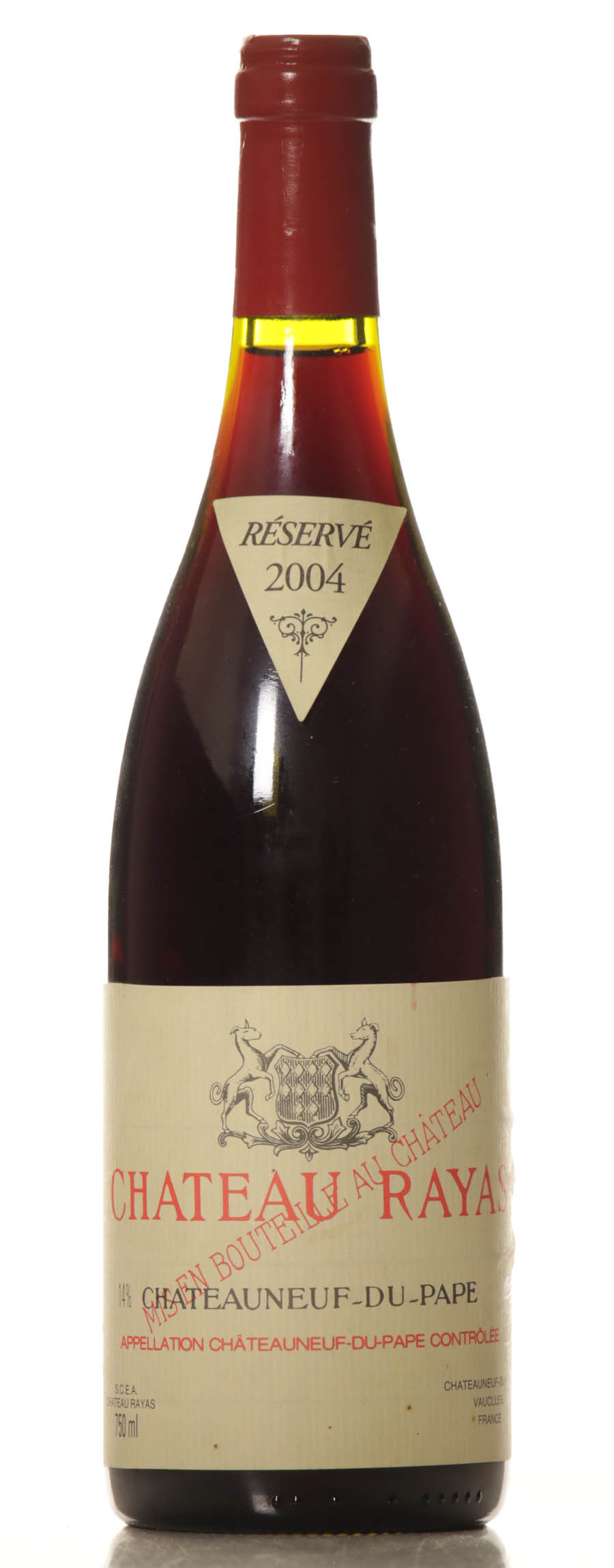
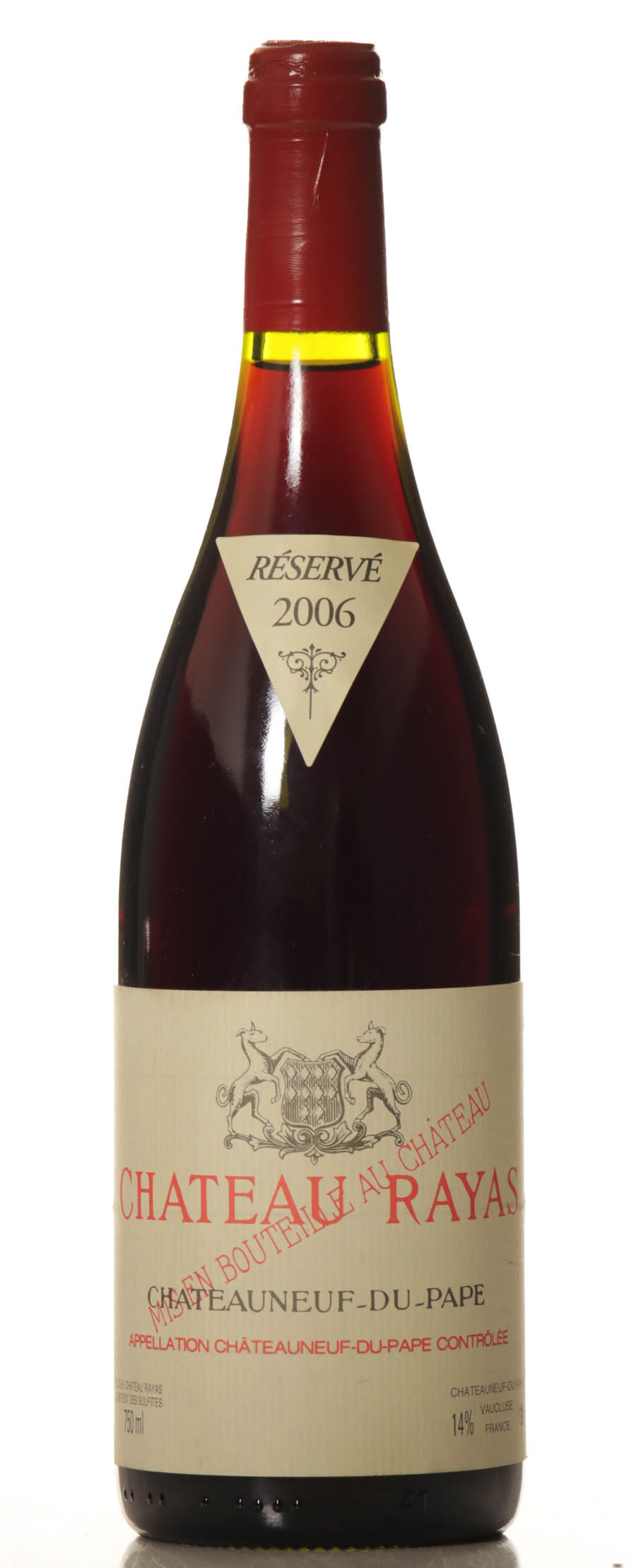
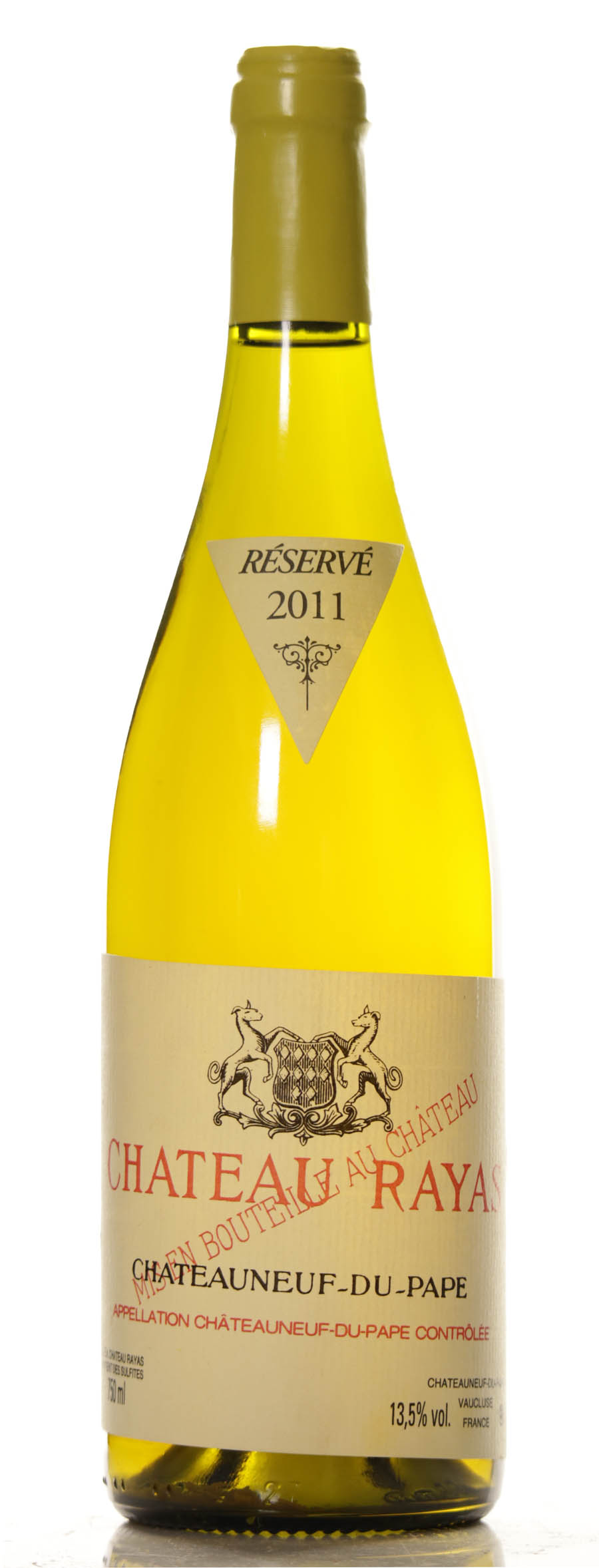
Our range includes wines from Châteauneuf-du-Pape by producers including Rayas, Château de Beaucastel, Clos des Papes, Domaine de la Janasse, Domaine du Pégau and Le Vieux Donjon. If you would like to explore the Rhône further, you will also find Cornas, Côte-Rôtie and Hermitage in our range.
Grapes and style
Châteauneuf-du-Pape is one of the few appellations where a long list of grape varieties is permitted. In the red wines grenache generally plays the leading role, often supplemented with syrah and mourvèdre, and sometimes with smaller contributions from other varieties. Each house chooses its own blend, so styles vary widely.
The red wine is warm, generous and spicy, with ripe red fruit, garrigue herbs, pepper and a soft, full texture. White wine is also made, from grenache blanc, roussanne and clairette among others, but it forms a small minority.
Location and soil
The appellation lies in the southern Rhône Valley, north of Avignon, around the village of Châteauneuf-du-Pape. The name refers to the time when the popes resided in Avignon and had vineyards planted here. The climate is Mediterranean: warm and dry, with the cold, dry mistral as a constant factor that keeps the grapes healthy.
The most striking feature of the area is the large, round stones that cover the soil in many vineyards, the galets roulés. They store heat during the day and release it at night, which promotes ripening. Beneath them lie clay, limestone and sand, among other things, producing different wines from plot to plot.
Classification and rules
Châteauneuf-du-Pape was one of the first French wine regions to be given an appellation of its own, and much later French regulation was based on these first rules. The appellation names an exceptionally broad list of permitted grape varieties, both red and white, and leaves producers a great deal of freedom in the composition of their wine.
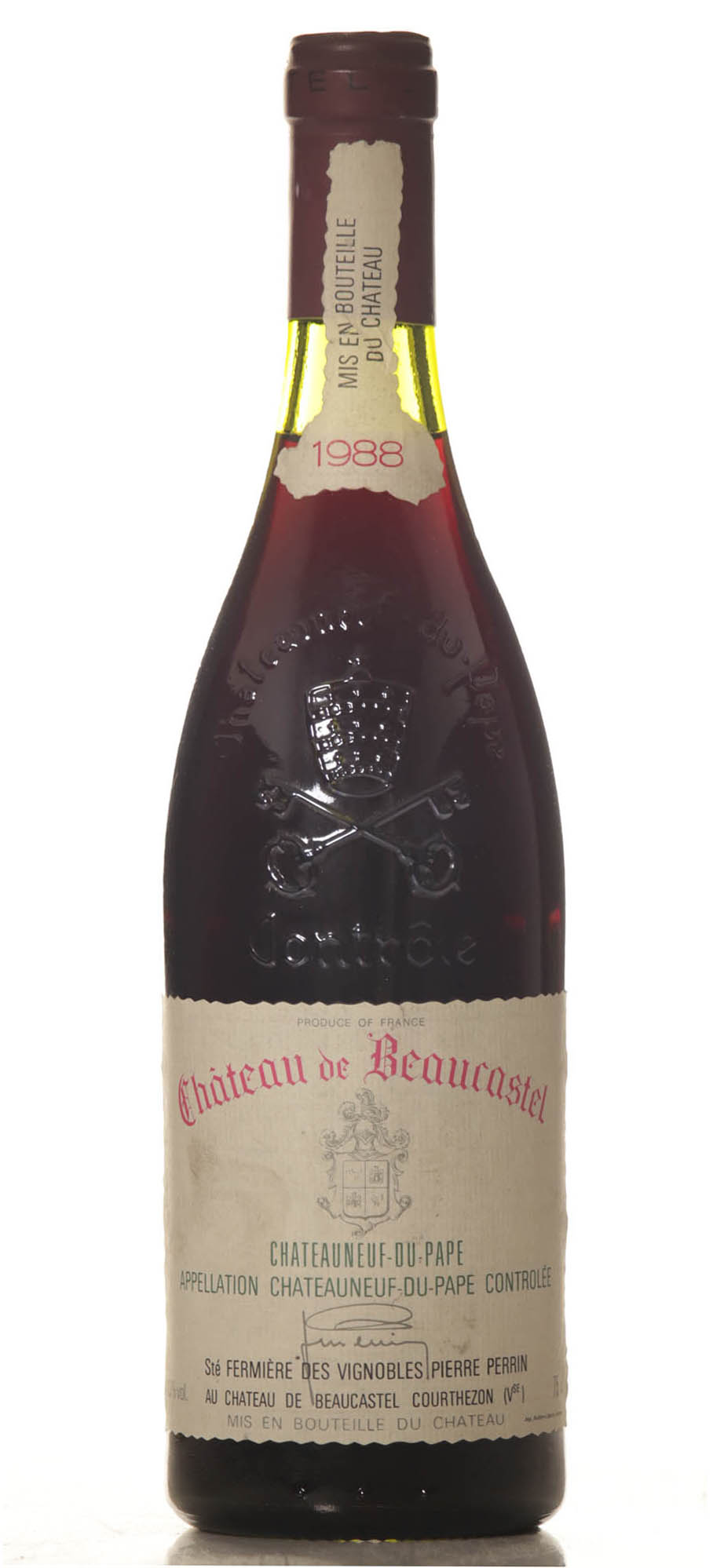
Notably, the appellation has no separate ranks or crus: quality is determined mainly by the producer and the position of the plots. Many bottles carry a relief of papal keys and tiara in the glass, although this is not compulsory. The wine may only come from the delimited area.
Ageing and serving
Red Châteauneuf-du-Pape is approachable in its youth, but the better wines gain depth over the years and develop notes of leather, dried herbs and tobacco. A young wine benefits from an hour in the decanter; with older bottles, careful pouring is advisable because of possible sediment.
Serve red at around 16 to 18 °C. The wine pairs well with roast lamb, game, braised meat and spicy stews from Provence. Do not serve white Châteauneuf too cold, at around 10 to 12 °C, for example with poultry or fish in a creamy sauce. A northern neighbour is Hermitage.
Producers in our range
These producers feature in our Châteauneuf-du-Pape range: Rayas, Château de Beaucastel, Clos des Papes (Paul Avril), Domaine de la Janasse, Domaine du Pégau, Le Vieux Donjon, Vieux Télégraphe, Clos Saint-Jean, La Mordorée, Pierre Usseglio, Raymond Usseglio, Ogier (Clos de l'Oratoire des Papes), M. Chapoutier and Lucien Barrot.
Special cuvées
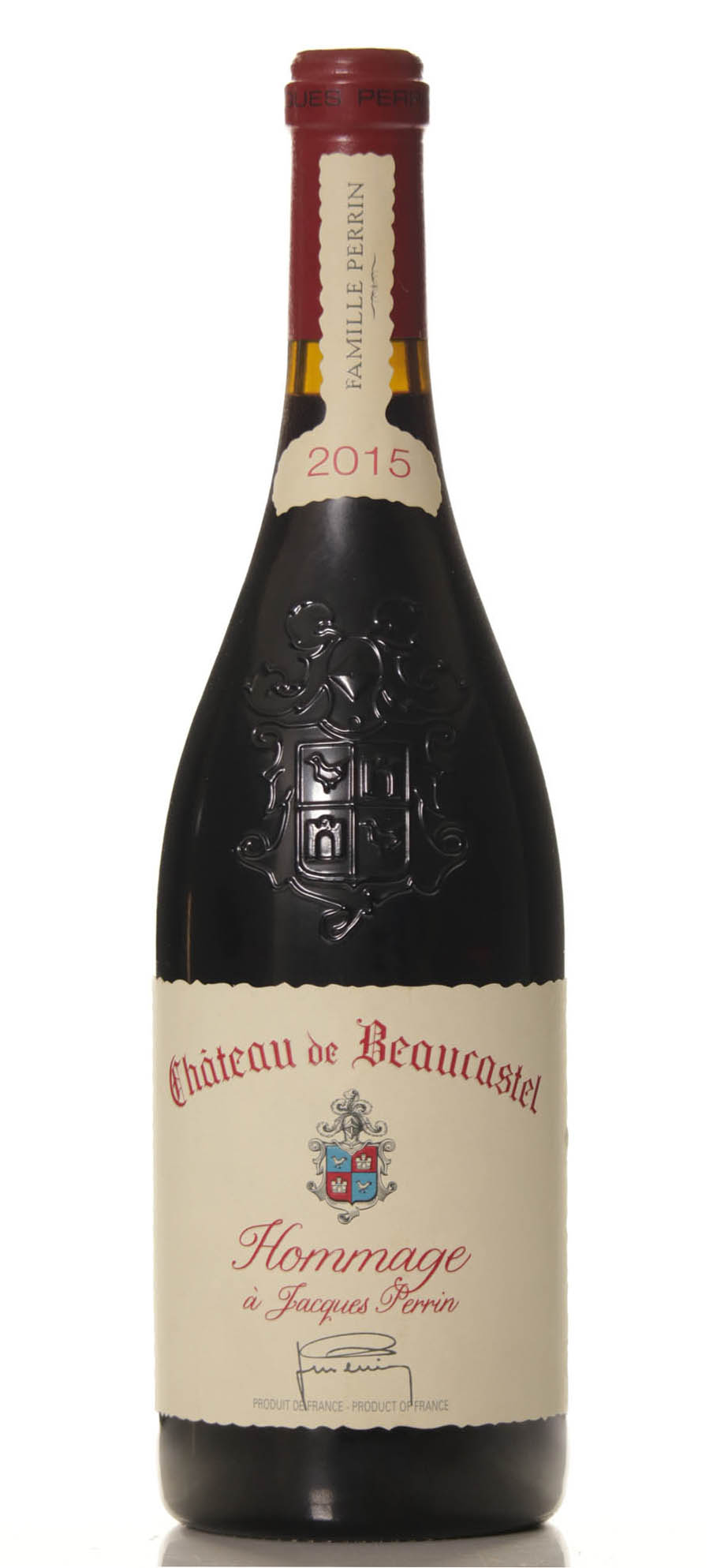
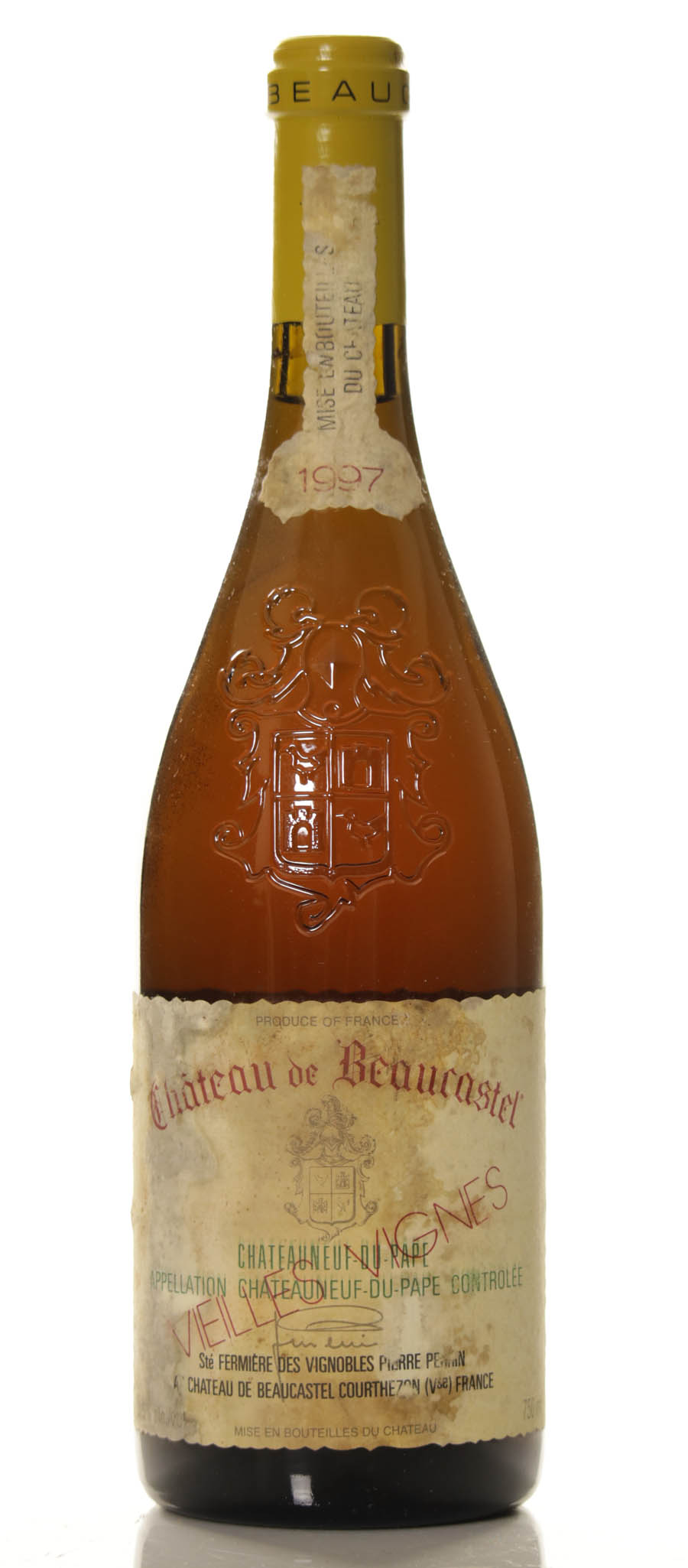
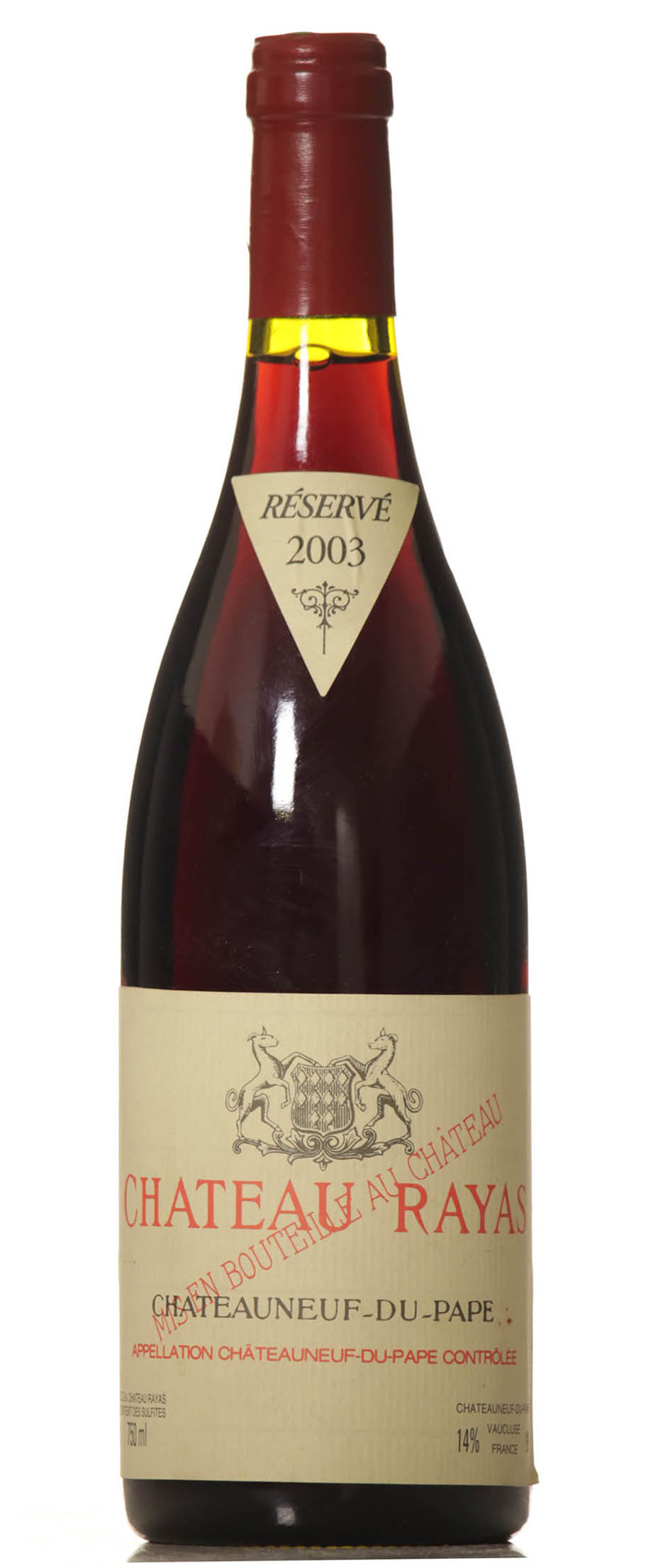
Names on the labels in our range include Hommage à Jacques Perrin and Roussanne Vieilles Vignes from Beaucastel, Cuvée XXL from La Janasse, Cuvée da Capo from Pégau and Pignan from Rayas.
More from the Rhône
You will find more wines from the Rhône under Cornas, Côte-Rôtie and Hermitage.